

WVU Medicine Uniontown offers AI retinal screening
UNIONTOWN – FDA-approved autonomous AI retinal screening at WVU Medicine Uniontown Hospital is helping to diagnose diabetic retinopathy earlier and thereby prevent vision loss.
The eight-minute exam captures a retinal image without any dilation that previously caused patient downtime. Next, AI evaluates the image and makes a diagnosis, then a result and physician referrals are made – all in one visit.
This replaces a process where patients would previously need to visit with at least two medical providers in separate appointments.
By utilizing them, Uniontown Hospital has:
Improved access with an increase in screening from 26 to 73%;
Streamlined office visits and referrals;
Allowed physicians to better care for patients; and
Saved on long-term medical costs for patients and providers.
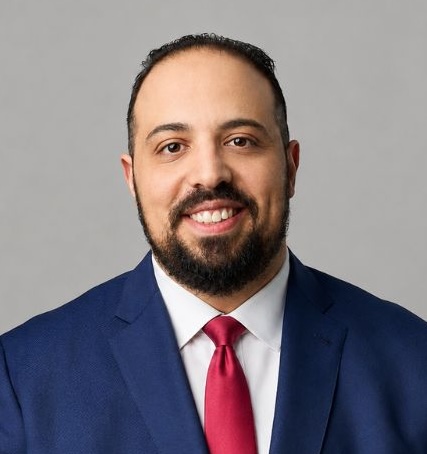
“These AI retinal screenings are quality aligned, revenue positive, and truly help address a lot of equity access challenges many hospitals face, especially those serving rural and low-income populations,” Ziad Dimachkie, M.D., Uniontown Hospital chief medical officer, said.
“Approximately 80% of retinal screenings are negative, and this tool frees physicians from clicking through screening results one by one. It allows doctors to better concentrate on treatment, and it has been very well received in our hospital.”
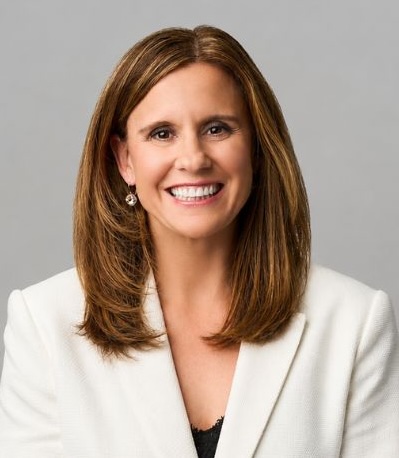
This innovation provides several financial benefits to both patients and hospitals as well. Lynn Matusik, Uniontown Hospital chief administrative officer and vice president of finance, noted that injections to treat retinal disease can cost between $1,000 and $2,000 each, while a screening to prevent this condition costs just a fraction of one injection.
Additionally, hospitals using autonomous AI retinal receive insurance reimbursement at nearly double the rate of a clinician reviewing all results remotely.
“Prevention of diabetic retinopathy is the financially rational choice,” Matusik said. “For a high-Medicaid, rural population, early detection is both the right option and the cost-effective option.”
Dimachkie and Matusik presented “Autonomous AI for Diabetic Retinopathy: Closing a Preventable-Blindness Gap” to members of Enable Healthcare’s AI Interest Group this spring.
For more information on Uniontown Hospital, visit WVUMedicine.org/Uniontown.