

‘The hidden story’
Fayette African American center celebrates local Black history
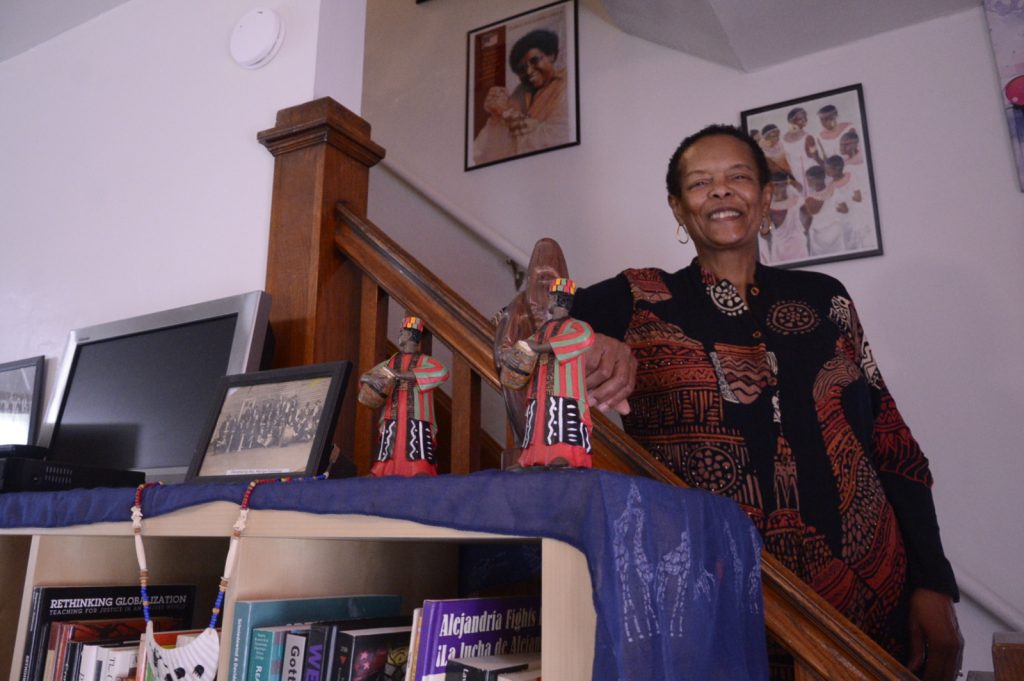
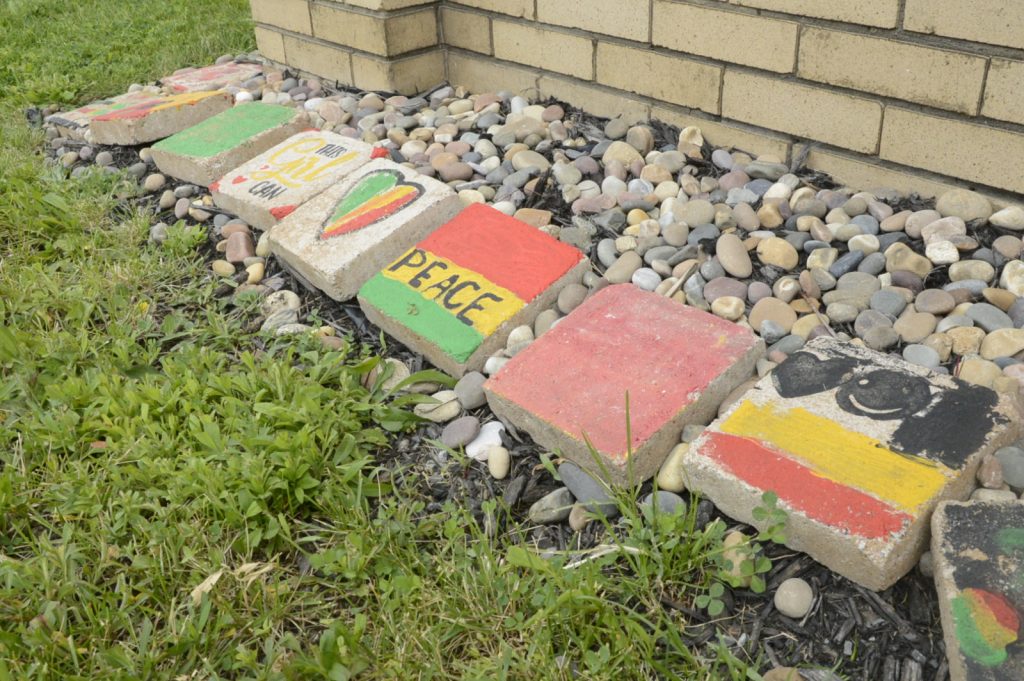
Dr. Norma Thomas doesn’t amass possessions — she’s more of a “get it and give it away” person, she said.
The exception is history, where she and the local center she founded have become a magnet for people looking to add to the documentation and understanding of the Black experience and notable figures in Fayette County.
And that has become its own form of giving back.
The Fayette County African American History and Cultural Center in Uniontown will celebrate its second anniversary with a gathering June 20.
The celebration at the center, located at 355 Connellsville St., will last from 5 to 8 p.m., though people don’t need to stay for the full three hours, said Thomas, a Uniontown native and a retired professor from PennWest California.
“We’ll have a small program, but it won’t be intrusive,” she said. “They can come and they can tour and they can fellowship, and we’ll have refreshments, and we’ll have merchandise that they could take home. All of that will be part of that celebration, because we are very happy that we’ve been here a couple of years.”
Thomas began researching her family in 1996 after the death of her father. In learning about her own family, which has been in the area since the 1800s, she also came across the stories of others.
“That’s the impetus for putting all this together, because once you had all this history, I just couldn’t keep it to myself,” she said.
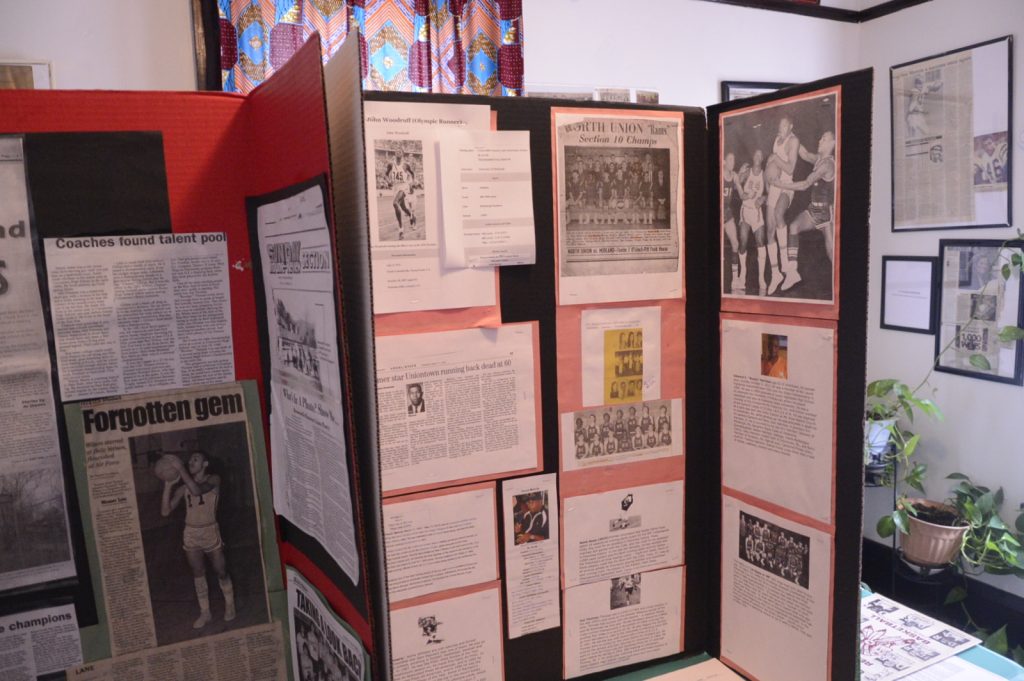
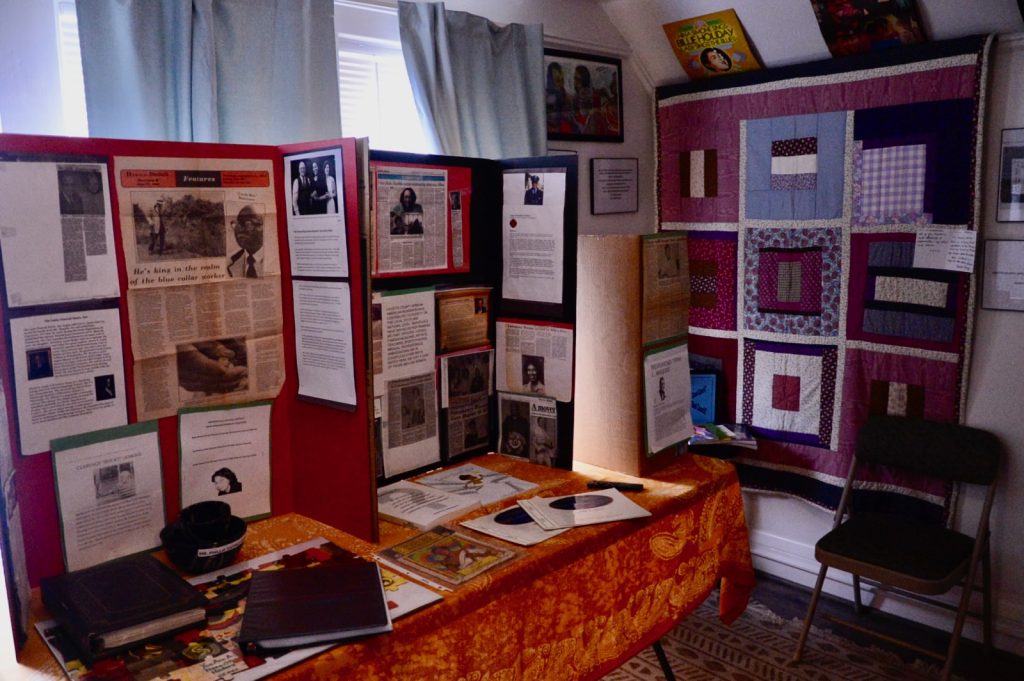
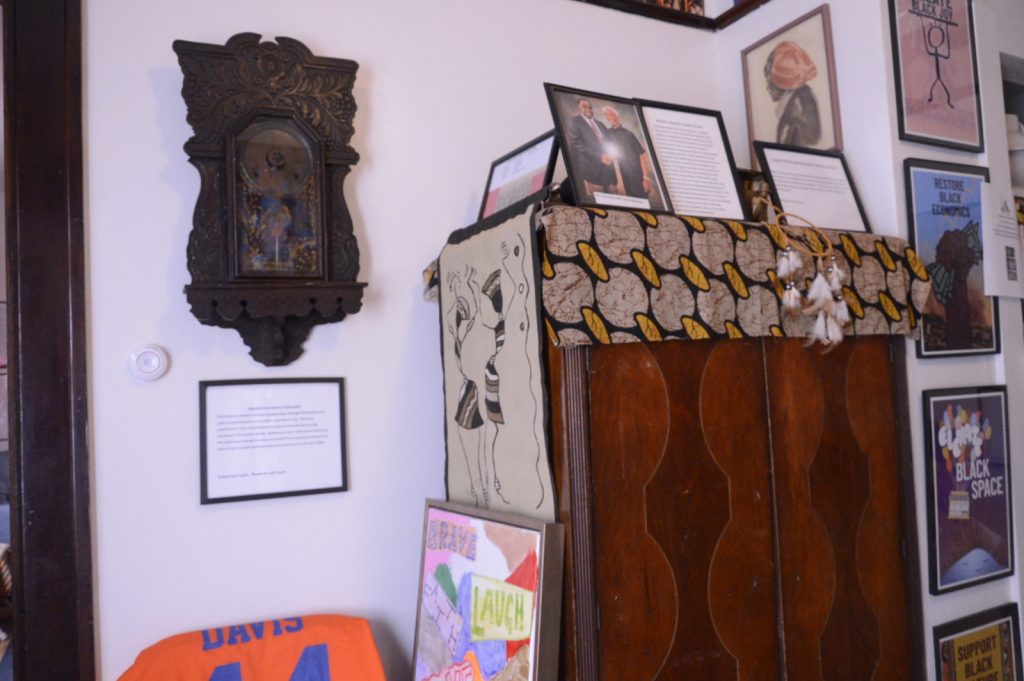
Started as a traveling museum, it has news clippings, books, artwork, memorabilia and other items from the past 200 years.
Thomas’ research has brought her to underheralded stories like that of the Courier-Digest, a Black newspaper that operated in the 1930s. A framed original front page of the museum now sits on the wall, surrounded by copies of other issues people have brought in.
Or James Lawson, a civil rights leader instrumental in developing non-violent protest who mentored figures such as John Lewis and later recruited Martin Luther King to join a sanitation workers’ strike in Memphis.
Or that of Oliver Mossett, a Brownsville pharmacist who became so well-known people would seek medical advice from him before a doctor.
She also learned more about the area’s history of segregation, which extended to Black-only cemeteries. One exhibit touches on Ku Klux Klan activity in Uniontown, which occurred as recently as 1980.
“There were a lot of surprises purposely researching African-American history in Fayette County, and still there’s probably so much to uncover,” she said. “I’m sure I’ve just touched the surface.”
Thomas has also finished a book, “African American History of Fayette County: The Hidden Story.”
Thomas changed the original name, Fayette County African American History Museum, after her sister told her “that sounds like it’s only old.”
The museum has hosted receptions, including one last fall for local Black-owned businesses, as well as residencies for people looking to do more research into the history of Black people in the area.
“It is kind of a living, breathing institution, so it’s not only trying to display the legacy of the past, but build the legacy of the future, and to have people use it as a place to learn and research and get involved,” Thomas said.
The museum continues to expand. Thomas is adding more exhibit space in the basement. One future exhibit will expand on the history of local swing-era singer Doris Rheubottom.
Thomas’ daughter is developing a play around Rheubottom’s life, and has tracked down more than 400 news articles from the period about her.
“She was up there with the Billie Holidays and all of them in her day, but we didn’t know that when we were kids,” Thomas said. “She was just Aunt Doris, who we knew sang. We didn’t know how famous she was.”
Thomas, who now lives near Philadelphia, is also working to establish more regular hours for the center. Her brother, who lives nearby, will become the official curator for the museum, which will be open at least two days a week going forward, Thomas said.
Everything brought to Thomas — sometimes left on the front porch of the former home that now houses the museum — gets used in some form or another.
If it doesn’t fit the theme of the center, Thomas will check with the Fayette County Historical Society or the library. Small libraries in Pennsylvania can also be part of the Heinz History Center, which in turn links into the Smithsonian Museum, she said.
“I make sure it gets a home, so that everyone’s history can be somewhere,” she said.
Thomas, a Uniontown native, said she hopes the museum can inspire children and counteract some of the negative images that dominate portrayals of Fayette County.
“We don’t want them to aspire to the easy money that gets you killed or in jail,” she said. “We want you to have the long game where you can have a lot of respect, a lot of prestige, and leave a great legacy, and that’s the aspiration, to tell a good story.”