

Drainage is crucial to outdoor spaces
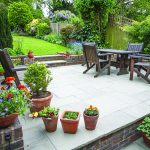
Outdoor living spaces can be welcoming areas to spend time in nature. Such spaces expand the possibilities for entertaining, as they tend to have more room for guests than home interiors, and they enable people to enjoy sunshine, fresh air and the sounds and sights of wildlife in relaxing settings. When planning outdoor living areas, homeowners must not underestimate the significance of drainage.
Patios, pergolas, decks, and landscaping can increase comfort and convenience for homeowners. In fact, connection to the outdoors ranked high on the top 10 list of design drivers in “The Future of Home Design,” a survey conducted by the New Home Trends Institute in collaboration with Pro Builder. Fifty-eight percent of survey respondents said connection to the outdoors will be an important influence on their design choices in the years to come.
When planning outdoor living spaces, it is easy to focus on aesthetic appeal and the finished project. But homeowners must carefully consider the impact these modifications will have on the landscape, particularly how they will affect drainage so it will not compromise the integrity of the new design nor impact the surrounding home and other structures.
According to Kelly Masonry in Pennsylvania, without proper drainage, water can accumulate and that can lead to various issues. Here’s a more in-depth look at why drainage is crucial when planning outdoor living areas.
• Drainage prevents water damage. When water is allowed to collect on patios and in and around hardscaping features, it can cause the materials to deteriorate over the years. Pavers or stones may shift, crack or become discolored, eventually becoming less safe.
• Drainage reduces accessibility issues and safety hazards. Pooling water can make hard surfaces slippery, possibly leading to falls and other accidents. It also can make lawns soggy and muddy, which can limit easy access to areas of the yard.
• Drainage reduces soil erosion. Water can cause erosion of surrounding soil, leading to uneven surfaces. Erosion also may threaten the stability of nearby structures.
• Drainage deters water infiltration. Water has a way of finding cracks and crevices and thus entering structures. Rainwater that is not properly directed away from a home may eventually seep into the foundation, causing anything from structural damage to mold and mildew to making damp areas conducive to pests.
Homeowners have different options when it comes to drainage in their outdoor living areas. Masonry experts will design patios with a slight slope to allow water to naturally flow away from the surface toward drainage areas. Together with well-placed gutters and downspouts, water can be directed away from the home.
Homeowners also might want to consider two different types of drain systems. French drains are a system that involves a trench filled with perforated pipe and gravel to allow water to drain naturally from the yard, according to the Home Depot. French drains can redirect water away from living areas. Channel drains are another type of system. Central Turf & Irrigation Supply says channel drains are perimeter drains around patios and other hardscaping that act as an intercepter to prevent water from going where it isn’t desired. They are narrow trenches with a grate on top so that water enters and flows away.