

Restorations in store for historic Gallatin Avenue Living Centre
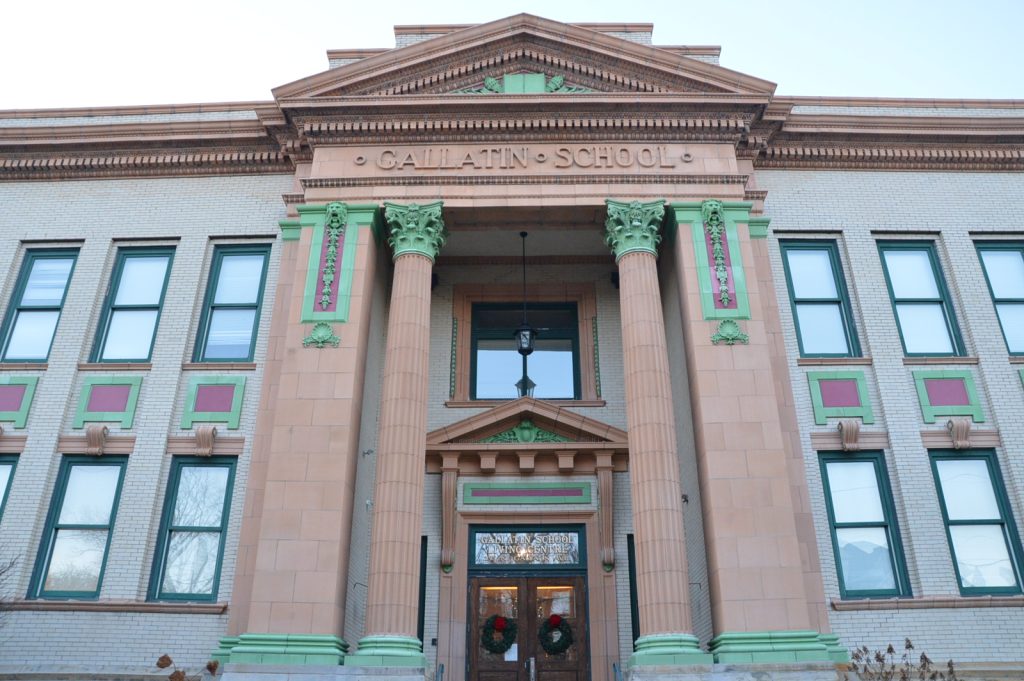
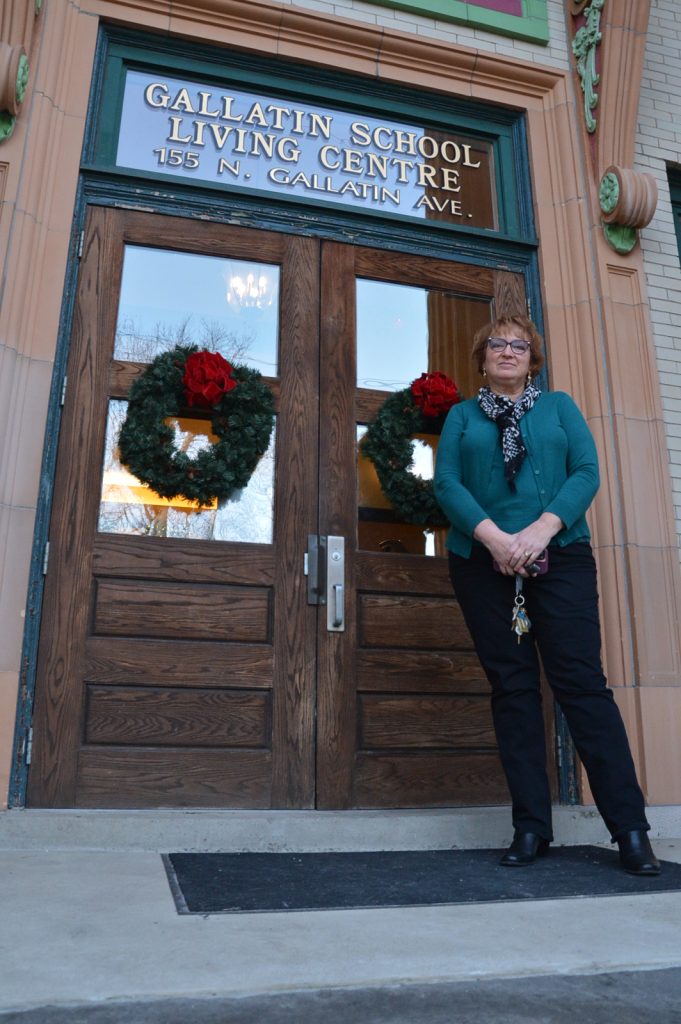
Over the past 25 years, the 117-year-old Gallatin School building in Uniontown has helped hundreds of homeless families and individuals build the security and skills they need to live independently.
The Gallatin Avenue Living Centre use is “the best of both worlds,” said Irmi Gaut, executive director of City Mission Living Stones, which raised $3 million to purchase the building back in 1998.
By reviving a historic structure that had fallen into disrepair, it helps eliminate the stigma of public housing, Gaut said.
“The community sees a landmark structure that they grew up with here, and it’s preserved,” she said. “It’s giving that sense to our community of historic preservation, and that we have taken this building and taken care of it all these years … when it was a school, it served the population one way, but now it’s still serving our community, just in a different way.”
The Gallatin Avenue Living Centre is finishing up the first phase of renovations to the 117-year-old former Gallatin School.
The building had been vacant for years when City Mission bought it from a private owner, said Gaut, who was part of the first effort to restore the building. She recalled seeing spots where fires had been set, evidence of drug activity, and pigeons everywhere.
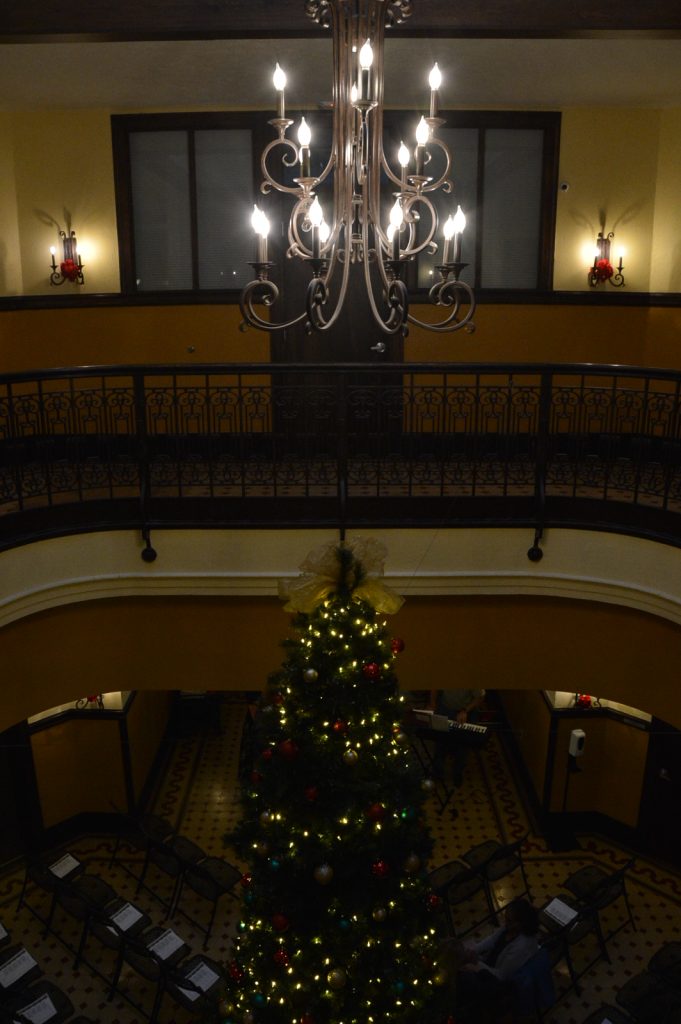
City Mission has maintained the historic features — like the external masonry, and a rotunda with elaborate wrought-iron railing.
“I remember going to different lighting vendors just to look for wall sconces that would match the wrought iron rail,” Gout said. “It was just a lot of care that went into each of the selections that were made to finish this place … It’s done in a sense that respects the past.”
Through City Mission’s efforts, in 1998 the building was added to the National Register of Historic Places.
Over the past 25 years, the building has taken on some wear and tear.
So City Mission took on funding that will allow the building to keep contributing to the community and also preserving the landmark that’s been a source of pride.
“We care about how this place looks, how this place comes across to the community who drive by every single day,” Gaut said. “And so that’s one of the efforts that we’re really focusing on this year and next year.”
In 2024, City Mission received funding through the Pennsylvania Housing Finance Authority, along with the Allegheny, Hillman and Eberly Foundations for renovations to the building.
Most of that work was completed this year, including replacing the rubber roof and skylights, adding new apartment flooring and cabinetry, upgrading the elevator and security system, installing a new generator, and repairing the exterior masonry.
Work will begin in 2026 on the second phase, this one completed through Regional Assistance Capital Project funding. All 123 custom windows will be replaced with new ones that are more energy efficient while still being architecturally compatible.
“It’s not your average window that you can just go to Home Depot and purchase,” Gaut said.
Outside the building, the Living Centre will replace aging concrete steps, repair railings and sidewalks, do landscaping work and install new signage.
The space is a mix of temporary and permanent housing.
Eighteen of the rooms at the center are single-room occupancy permanent units for single adults, with a kitchenette and a shower. Five are transitional units for families, while another seven are for permanent supportive housing units.
The building also houses the administrative and service offices for City Mission. Most clients are referred from City Mission’s emergency 30-day shelter when they need additional housing. Filling that gap in services was what inspired City Mission to start the center, Gaut said.
“We just saw the recidivism rate just for the shelters, when you don’t have that longer-term housing available for people where they can really dig into the services and try to start to have their own place where they can learn how to be a good tenant and how to develop the skill set that they’re going to need in order to live independently,” Gaut said. “That all takes time and resources, and this is the place where we do all of that.”
Residents get access to case management, which helps them obtain Social Security cards, photo IDs and other items they’ll need to get jobs or outside housing. It also helps the residents create a structure to help them pay off their bills.
Case management continues for six months after they leave.
“We don’t just finish housing someone and say ‘Good luck,'” said Debbie Doppelheuer, City Mission’s director of operations. “We are still invested in them.”
Another program offers specialized services for residents with mental health or substance abuse issues, where a case manager also works with landlords to get them housed, find furniture for them and give them a foundation to move out on their own.
The center also offers life skills workshops, performing monthly inspections of the residents’ apartments to remind them of the steps they’ll need to have a satisfying home — cleaning the bathtub, or taking out the trash.
It’s tough to find a parking spot for the Tuesday night Bible study, Doppelheuer said, which brings back residents who’d lived there 15-20 years ago who return for the camaraderie with the staff and their friends.
“Things like that give people encouragement and allow them to be successful,” she said.
The restoration work means Uniontown residents can keep admiring or finding community at what Doppelheuer calls “the Grand Old Lady of Gallatin Avenue.”
“It’s a magnificent building, and we take the care of it very seriously,” she said. “It’s an extra level of maintenance, of preservation … there’s just a lot of things that are unique to a historic building, and we’re always so honored to take care of it.”