

Consider roof replacement in the fall
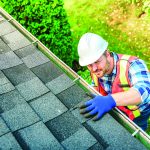
A roof is a vital component of a home that protects the structure from the elements and ensures that sun, rain, wind, and snow do not compromise the integrity of interior spaces. Peak Performance Roofing says the average asphalt shingle roof found on many homes lasts between 15 and 30 years. Alternative roofing materials, such as metal or clay tiles, can last much longer.
Homeowners who stay in a home for many years will likely need to replace a roof at some point. Choosing when to replace the roof may come down to selecting the right season. Experts typically consider fall the prime time to upgrade a roof for a variety of reasons.
• Moderate temperatures: Fall weather tends to be comfortable in many regions of the country. Magnolia Home Remodeling Group says fall temperatures are better suited for roofing and allow materials to work the best. When temperatures are too hot, shingles can become soft and prone to scuffing, while cold temperatures can make materials brittle and difficult to seal.
• Comfort for workers: The same moderate conditions can make it easier for roofing contractors to get the work done. It can be extremely hot on a roof during summer, necessitating frequent breaks for workers. Winter weather conditions are not ideal for working on a roof, with snow and ice making things slippery. Fall weather can help workers feel more comfortable.
• Avoid the rush: Earl W. Johnston Roofing, LLC says spring and early summer are peak seasons for roofing contractors due to post-winter repairs. Homeowners may experience shorter wait times, better pricing and flexible scheduling if they opt for a fall roof replacement.
• Prepare for winter: Getting a roof in the fall means having a new and functional barrier against winter storms that can be hard on old roofs. It also means the roof will be ready for rainy, spring weather.