

AAA advises drivers to be cautious during deer season
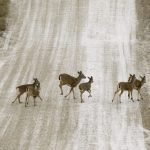
With deer season right around the corner, AAA is reminding motorists to remain alert behind the wheel as deer activity increases during the fall and early winter months.
Jim Garrity, director of public and legislative affairs for AAA East Central, said the organization typically sees an increase in animal-related accidents during October, November and December as deer become more active.
“Anyone who’s lived in this part of the country for more than a year, or at least through one of these seasons, knows that this time of the year is when we start to see more deer on the move,” Garrity said.
The seasonal increase in deer activity, combined with the end of daylight saving time, can create additional challenges for drivers commuting during the early morning hours.
Garrity noted that the change in daylight hours does not affect deer activity, meaning motorists are increasingly sharing the roads with wildlife during periods of reduced visibility.
According to new research from the AAA Foundation for Traffic Safety (AAAFTS), more than a third of deer-vehicle collisions occur during October and November. The study examined U.S. animal-related crashes from 2020 through 2024 using national crash databases. During that time frame, more than 1.7 million police-reported crashes involved animals – about 350,000 per year – resulting in nearly 50,000 injuries and close to 300 deaths.
With those risks in mind, AAA is encouraging motorists to take precautions and remain attentive, particularly when traveling through rural areas and locations known for frequent deer crossings.
One of the most important steps drivers can take is to remain focused on the road and watch for wildlife well ahead of their vehicles.
New research from the AAAFTS found that many animal-related crashes involve more than simply striking an animal. Collisions can also involve trees, other vehicles and vehicle rollovers.
Garrity said those findings suggest that drivers sometimes attempt last-minute evasive maneuvers to avoid hitting an animal, potentially creating an even more dangerous situation.
“If you’re looking down the road and you’re driving sober and attentively, and you see an animal or a family of deer, that gives you time to react,” Garrity said. “That gives you time to slow down, let them move, drive around them if that’s possible safely.”
However, drivers who are distracted or fail to notice wildlife until the last moment may feel compelled to swerve suddenly.
In some situations, Garrity said, maintaining control of the vehicle may be safer than attempting to avoid the animal through a sudden maneuver.
AAA also recommends that motorists pay attention to deer crossing signs, which identify areas where wildlife activity and collisions are more common.
Drivers traveling on dark roads should also use their high-beam headlights when appropriate, provided there is no oncoming traffic.
Garrity emphasized that the same precautions apply to motorists of all ages, but younger, inexperienced drivers may face additional challenges during deer season.
For young drivers, Garrity said, eliminating distractions is particularly important.
“If you have to put your cellphone in the back seat, for example, do it, because that’s better than being in a crash,” he said.
Garrity added for drivers to always check their insurance plan to make sure they are covered under comprehensive coverage, so in the event of an accident the driver is covered.