

Food pantries seeing high demand as SNAP benefits partially restart
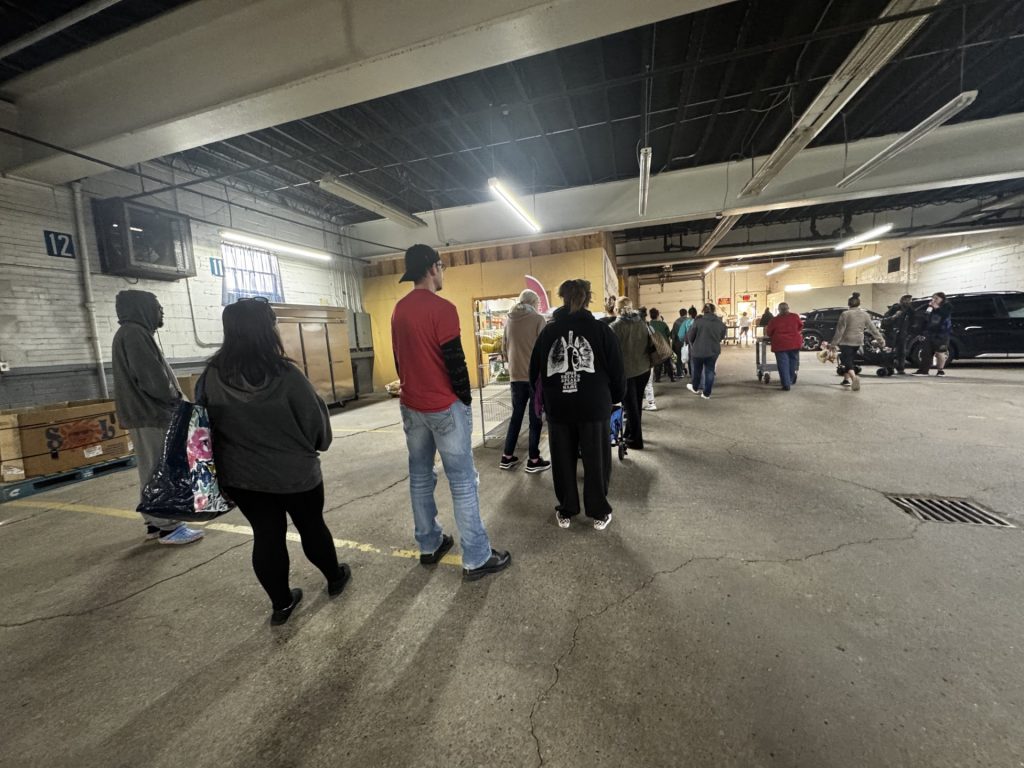
After President Donald Trump’s administration said it would “partially fund” SNAP benefits in November, many families are still worried about how to put food on the table.
Initially, the Supplemental Nutrition Assistance Program benefits were not set to be distributed at all for November amid the government shutdown.
But two federal judges ruled that the federal government must continue funding SNAP on an emergency basis, using nearly $6 billion in contingency funds that will pay for roughly half of the normal monthly benefits sent out to around 42 million Americans each month.
But it is unclear how soon low-income families who depend on SNAP will receive the partial funds, and how much they will get.
In Pennsylvania, there are 2 million SNAP recipients. In Washington County, 14.59% of households are on SNAP, while in Fayette County, 24.1% use SNAP, and in Greene County, 21.95% of households are on SNAP, according to the state Department of Human Services.
Pennsylvania Gov. Josh Shapiro has signed a disaster emergency declaration, releasing $5 million in state funding to food banks, and has organized private donations through the SNAP Emergency Relief Fund.
The rise in demand for food assistance is being felt across Southwestern Pennsylvania, and local food banks are working to fill the gaps.
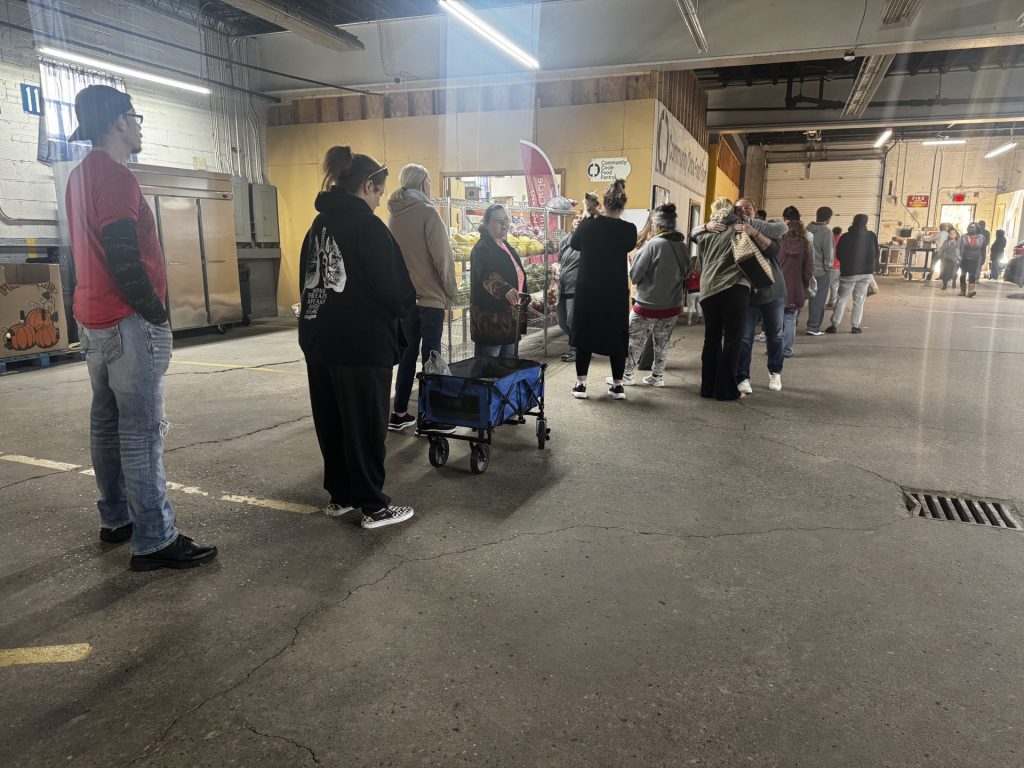
On Tuesday at Community Circle Food Pantry in the city of Washington, a long line formed inside the warehouse when the pantry opened its doors at 9 a.m.
The pantry has seen nearly double and triple the number of people coming in due to the added need.
Pantry director Melanie Wolfe said 170 families showed up Tuesday, far exceeding the typical number of 58 to 75 families who drop by on the days the pantry is open. She is seeing a jump in first-time pantry visitors.
“I feel so badly because November and December are hard enough times, when families are trying to figure out how they’re going to provide a Thanksgiving dinner, or parents are thinking about how they’ll buy Christmas gifts,” said Wolfe. “There are people who are working two or three jobs who are coming because they’re struggling to make it.”
SNAP recipient Jocelyn Scott, a mother of five who lives in Washington, said she has not received her SNAP benefits, and is worried about providing food for her children.
“I’m extremely nervous. I’m in between jobs and with SNAP being cut, I have to come to food banks and I shouldn’t have to do this,” said Scott.
Scott’s mother, who was also picking up food for a disabled veteran, said the family planned to rely on deer meat to help stock their refrigerator.
Scott said a person stopped by her children’s school bus stop and handed out cartons of eggs and frozen french fries to parents.
“Everybody is trying to help each other out,” said Scott.
A 56-year-old Bentleyville woman who is on full disability said she gets about $300 in monthly SNAP food benefits, but hasn’t received anything this month.
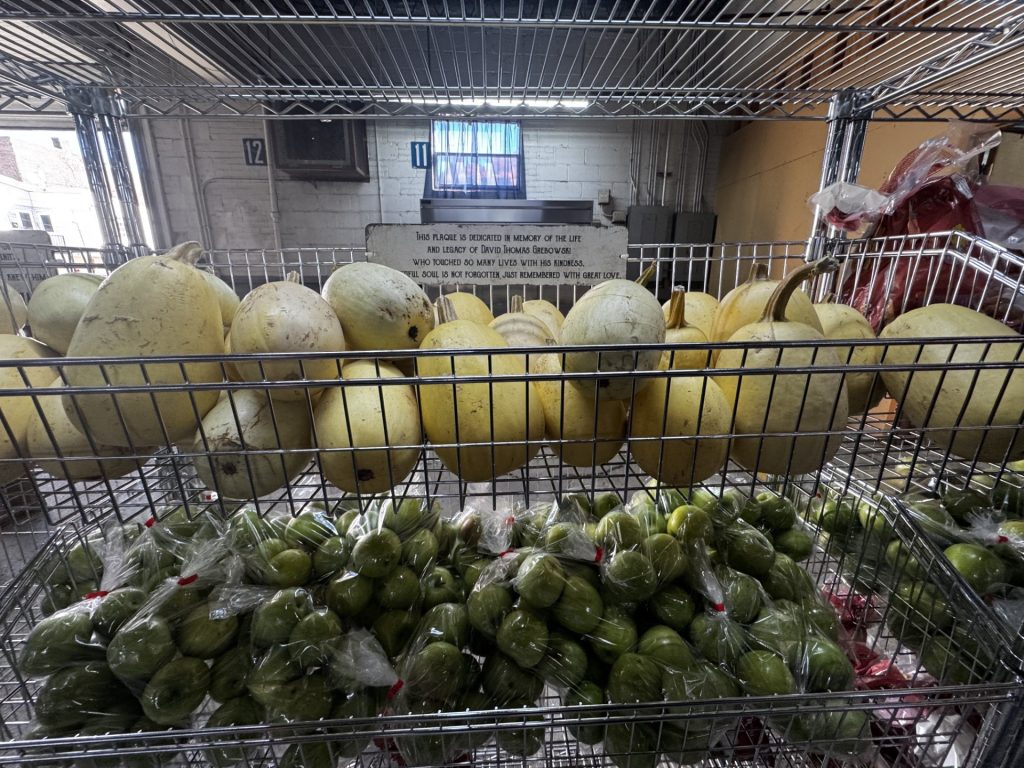
“This is my first time at a food pantry,” she said as she walked to her car carrying a box filled with meat, vegetables, dry goods, milk, and bags of potatoes and apples. “I’m not sure how much I’ll get this month.”
She plans to stretch some dinners over several days.
“Typically, I shop for fresh foods so that I can cook healthier dishes that I can have multiple days. I will cook spaghetti and make it last for three days,” she said. “I think I’ll be OK, but I sympathize with the seniors, disabled veterans, and people who have a lot of kids who will end up going hungry because of this.”
City Mission in Washington, too, has seen a spike in the number of families seeking food.
On average, City Mission serves between 20 and 30 families each day in its Samaritan Care Food Pantry. But in one day last week, the organization had 76 families lined up at its door.
“Our population in Washington County is in desperate need,” said Ann Wightman, City Mission’s Manager of Samaritan Care Services.
And, said Wightman, unless something changes soon, the need is going to continue to rise.
Wolfe said food banks aren’t designed to permanently replace federal nutrition benefits like SNAP.
The food bank network is intended to be a supplement, and the halt and subsequent reduction in SNAP benefits during the shutdown has contributed to the surge in demand.
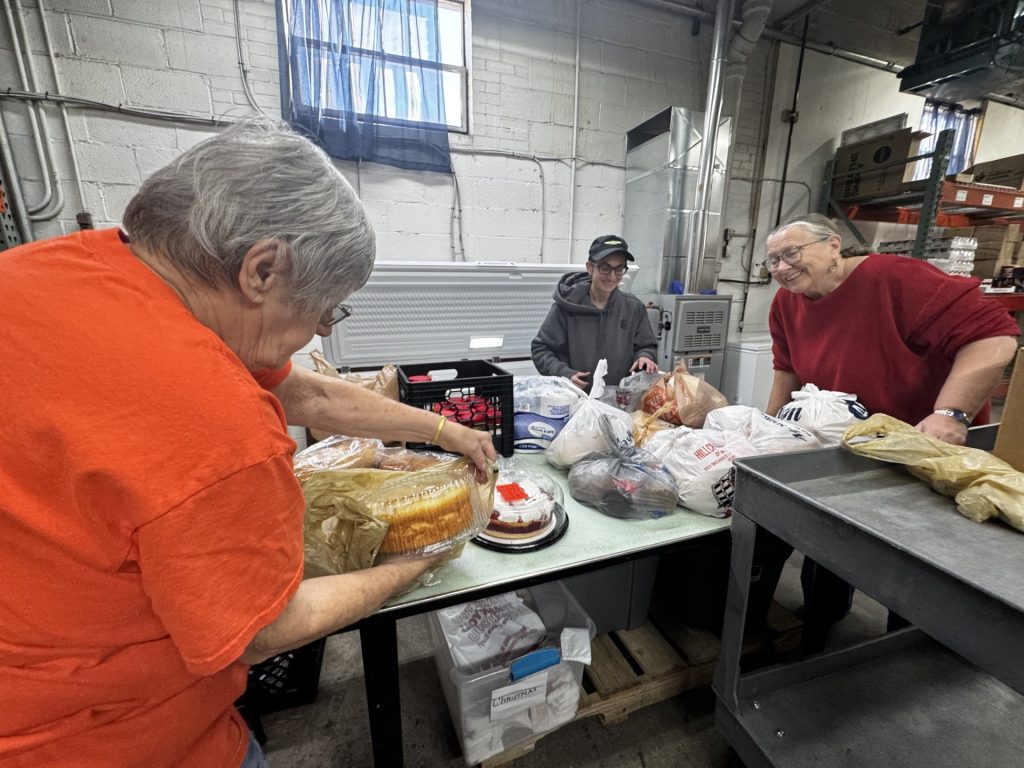
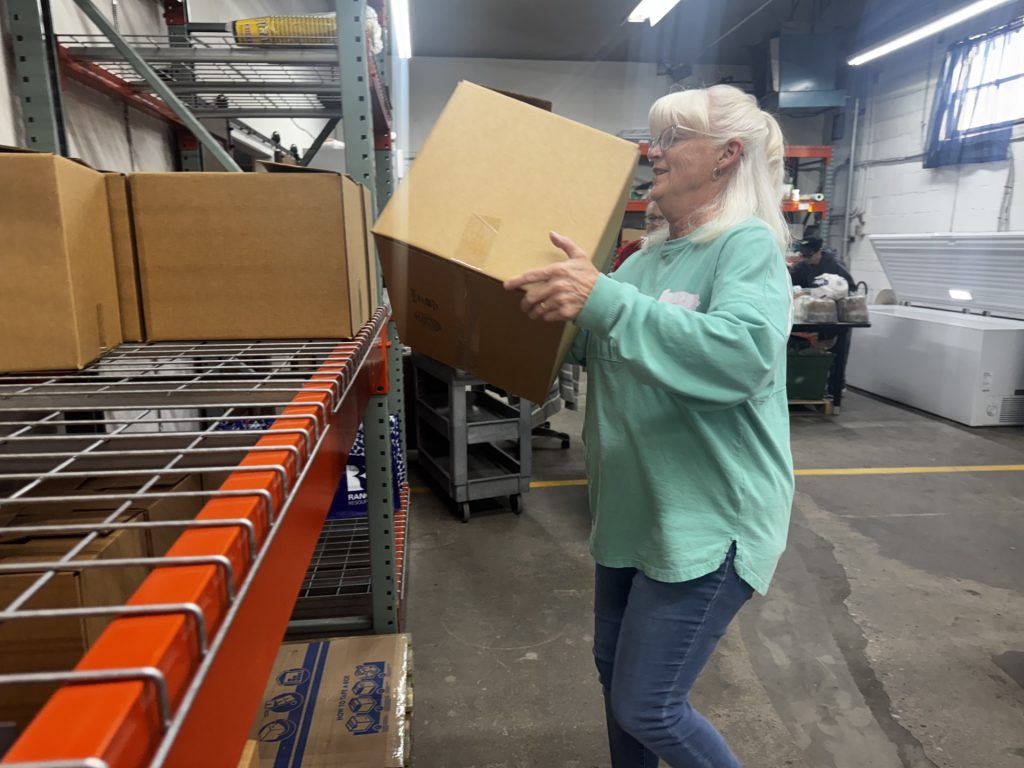
Wolfe said she’s grateful to the Washington County community that has stepped up to provide food donations to the pantry to help it meet the demand.
“It’s the community of Washington, the people of Washington County who really care about food insecurity who are helping out,” said Wolfe. “Every day, we’re getting enough donations to get us through one more day.”
SNAP is a major piece of the U.S. social safety net, and helps about 1 in 8 Americans to buy groceries. Originally known as the food stamp program, it has existed since 1964, serving low-income people, many of whom have jobs but don’t make enough to cover all the basic costs of living.
Wolfe said Community Circle Food Pantry, a partner of Greater Pittsburgh Community Food Bank, will continue to serve families in need, and encourage people not to feel embarrassed or ashamed if they need to rely on food banks.
“There is still a stigma about having to use a food bank, and there shouldn’t be. If you need us, come. We will be here,” said Wolfe. “We will feed the need.”
City MIssion President and CEO Diana Vaughan said the nonprofit, too, is committed to helping people and families in need.
“City Mission will continue to be a place where people can come and receive the love, support and resources they need to get through difficult times in their lives,” she said.