

‘Bee’ kind to your local honey bees
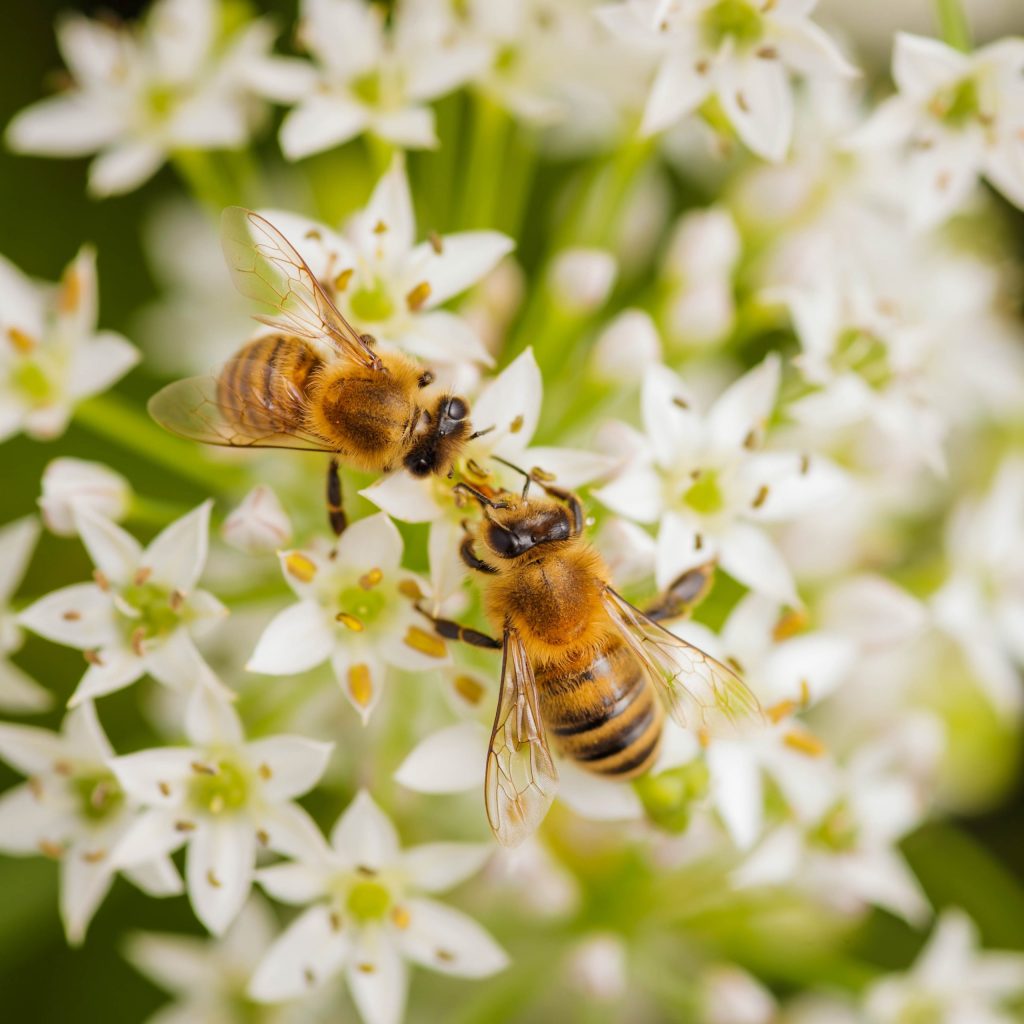

Whether you have a small garden in the backyard or hundreds of acres of farmland, there is one creature that keeps them thriving and healthy.
The honey bee.
Dr. Sarah Bashore, a professor of biology, fisheries and wildlife biology at Pennsylvania Western University, says though the honey bee is not originally native to North America, it is crucial for pollinating about 80% of flowering plants and crops.
Honey bees were introduced to the continent from Europe in the 1600s.
“Even though honey bees are not native, our agricultural system really depends on them as pollinators,” Bashore said.
According to Bashore, there are several dangers to honey bees, which see large declines in population annually.
One of those is the varroa mite. These mites can cause entire colonies to collapse within a couple of years if they go untreated.
“Colony Collapse Disorder” can also be exacerbated by humans.
“Pesticides and insecticides can also cause damage to honey bees. A lot of times they just weaken the hive, and then they’re more susceptible to things like pathogens and the mites,” Bashore said.
Other factors like habitat loss, climate change, and monoculture farming also contribute to colony collapse, which costs beekeepers 30% to 40% of their colonies annually. Monoculture farming refers to the practice of growing a single crop in a field.
Beyond pollination, bees are also a source of food for birds and mammals, as well as a massive industry.
“If we just look economically, it’s estimated they contribute about $15 to $20 billion annually to crop values,” Bashore said.
Those with green thumbs who plant gardens at home greatly benefit from a large population of honey bees, according to Bashore.
“A lot of people don’t recognize if you have a garden in your backyard, you need honey bees to get your crops and food,” Bashore said.
Some who do realize it are the neighbors of the Bedillion Honey Farm-owned bee yard in Industry, Beaver County. Beaver Borough Police Department is currently investigating a suspected arson the wiped out 50 beehives and damaged equipment.
Mark Bedillion, who owns Bedillion Honey Farm with his wife, Sara Bedillion, says those who live nearby relied on their bees for pollination.
“People want us to bring the bees back to Industry because of the pollination they were getting for their garden. It’s kind of a bummer for the local area that the bees aren’t there,” Bedillion said. “There will definitely be a drastic decline in pollination due to the lack of bees.”
Beekeepers like the Bedillion family are crucial to keep honey bees around, according to Bashore.
“I think they will keep fighting the good fight. A company and family like the Bedillions are doing that … That’s who we need to keep fighting like that. If we lose those kind of farmers, and we lose beekeepers, that will be a huge problem,” Bashore said.
If you are not a beekeeper, there are still ways to help the honey bee.
For one, do not be so quick to rid your yard of dandelions.
“Leave your dandelions in your yard,” Bashore said. “Dandelions are beautiful. They are a food source for honey bees.”
Having a garden in your yard also helps, but you can take it even further by deliberately growing plants that flower early in the spring and later in the fall. This is when bees typically have less food.
In May and June, you may also begin to see honey bee “swarms,” when large amounts of bees gather on a tree.
Bashore explains that in this state, the bees are “as docile as they’re going to be.”
“Don’t spray them. A lot of people will spray them. Most beekeepers cannot take them at that point,” Bashore said.
Instead, call a local organization like the Tri-County Beekeepers Association of Southwestern Pennsylvania. If you call an exterminator, they are likely to give the same advice.
“Most exterminators will tell you, ‘We don’t kill honey bees.’ There are lots of local beekeeper groups. Someone will come and give them a new home,” Bashore said.
In general, honey bees will not go out of their way to sting someone unless the person bothers them first. Bashore reminds that the creatures are “wonderful for the environment, wonderful for honey.
“We all know they’re outside. If you want to go outside, that’s where they live. Bees are our friends,” Bashore said.