

Picture perfect career
Work by NFL photographer shown at Pittsburgh gallery
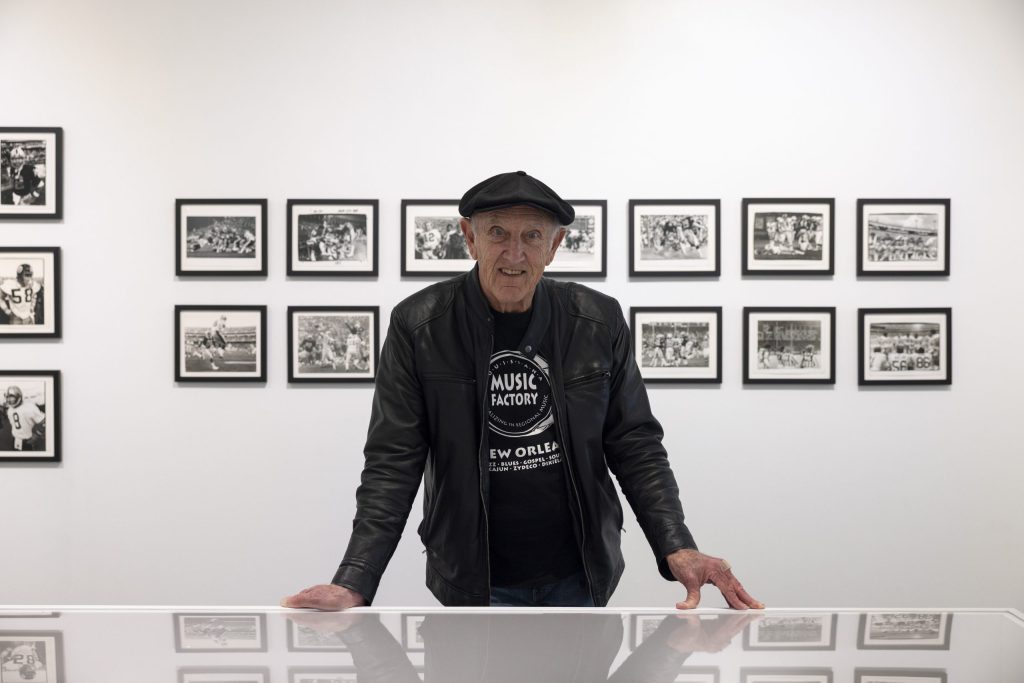
That guy in the Dos Equis beer ads might be the Most Interesting Man in the World, but Michael Zagaris could well be a close second.
He was at the Ambassador Hotel in Los Angeles on the night in 1968 when Robert Kennedy was assassinated and slipped on Kennedy’s blood. He lived with Peter Frampton and his wife in London for a while, and hobnobbed with George Harrison. He had a firsthand view of 1970s rock and roll decadence when he went out on the road with Lynyrd Skynyrd.
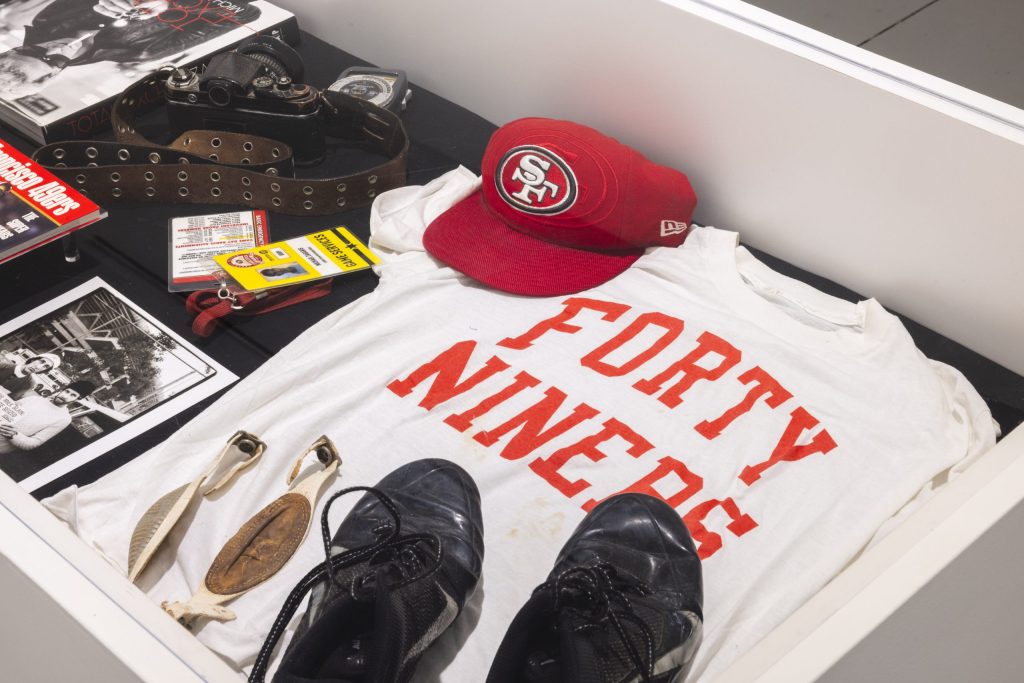
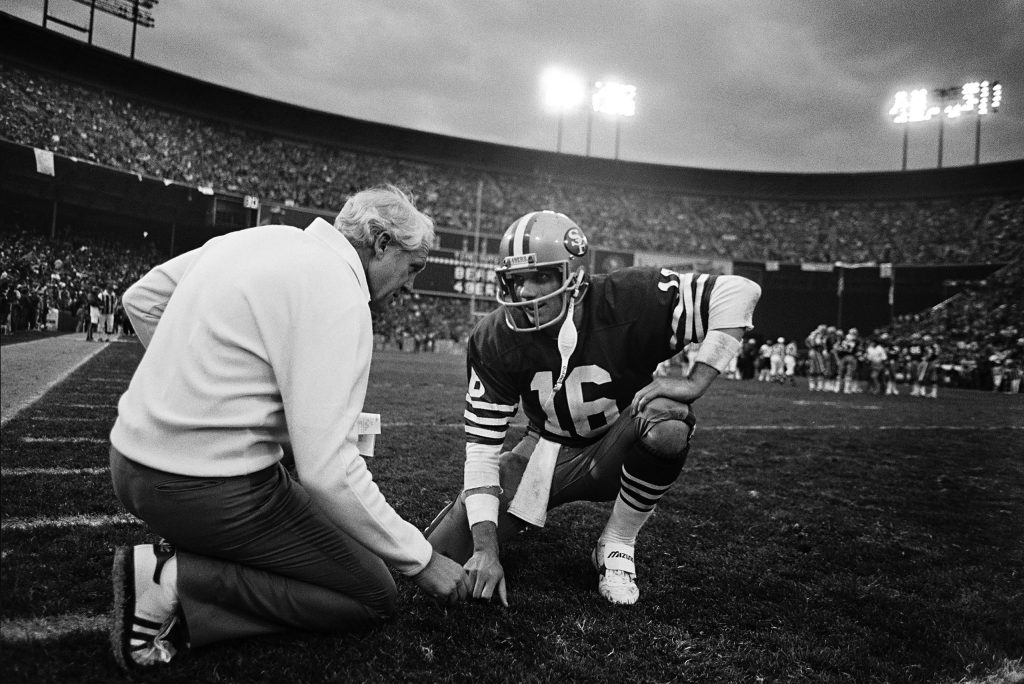
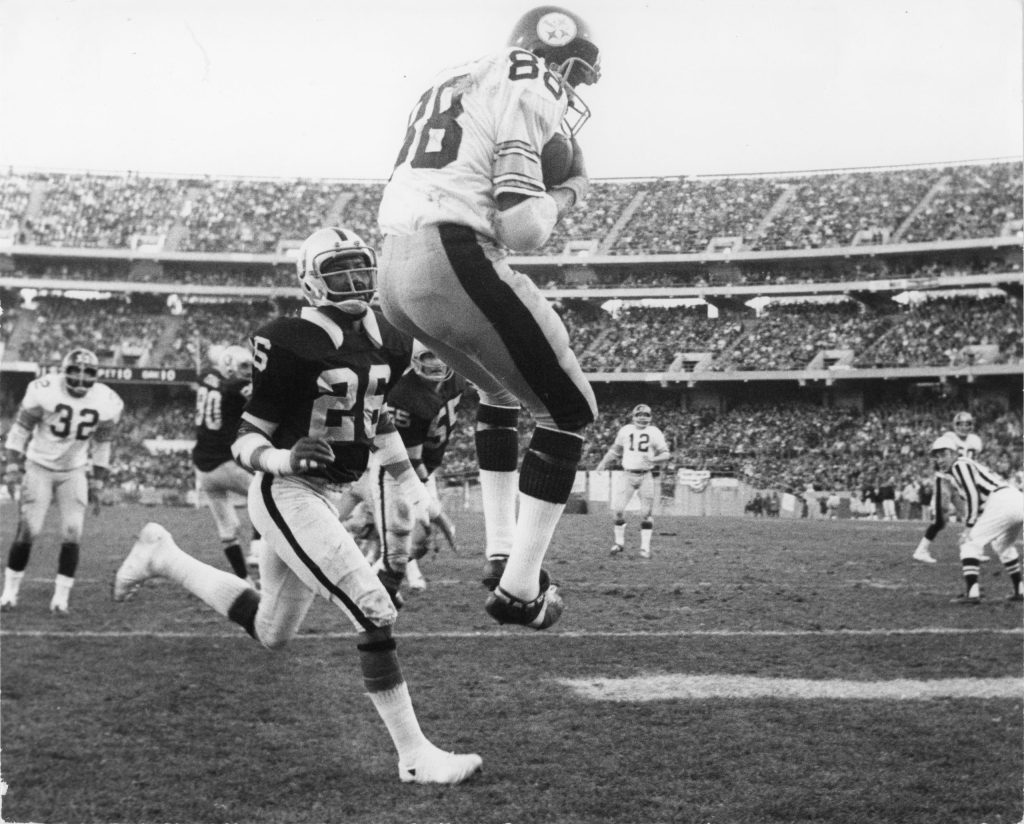
But even though Zagaris can happily regale you with tales about classic rock legends and political royalty, his first love and lifelong passion has been sports photography. He got his first taste of it when he was in high school when he would use discarded press passes to get onto the field at Kezar Stadium in San Francisco to snap photos of the 49ers. He eventually became the team’s official photographer and, as a result, took photos of gridiron legends who were part of the 49ers and the teams that opposed them. Zagaris was able to get up close to the likes of Joe Namath, Joe Montana, Franco Harris and Vince Lombardi when they were on the field or pacing on the sidelines.
According to Zagaris, “I still love what I do.”
His photos may capture the grit and sweat of the playing field, but they can now be examined in the tidier, more rarefied world of art galleries. The exhibit, “Michael Zagrais: 60 Years of NFL Photography,” is being presented at the Pittsburgh Cultural Trust’s 707 Gallery at 707 Penn Ave. It’s there to coincide with the NFL Draft, which gets underway in Point State Park and outside Acrisure Stadium Thursday.
While in Pittsburgh in late March, the 81-year-old Zegaris talked expansively about his work, which has also been captured in a book, “Field of Play: 60 Years of NFL Photography,” published in 2022.
“I just wanted to get on the field,” he recalled.
That first happened when he was a teenager in the early 1960s. Seeing press passes that had been cast aside, Zagaris grabbed one, and decided to use it and bring his camera with him to an upcoming game. He wore appropriate attire, made sure he looked like he belonged and no one bothered him. The only time police grew suspicious, he told them he was working on a book and asked the officers to pose for him.
“Now, you’d be thrown out of the stadium and probably arrested,” Zagaris said. “I wanted to be in the show. If I couldn’t play in the league, I wanted to be the next best thing.”
He played football and baseball in college, and worked in Kennedy’s Senate office. While attending law school at George Washington University, he helped out on Kennedy’s 1968 presidential campaign. On the dais with Kennedy after he declared victory in the California Democratic primary, Zagaris was trailing behind Kennedy when the shots rang out.
“I thought they were firecrackers,” he recalled.
Kennedy’s death a little more than a day after he was shot was a pivotal moment for Zagaris. He grew disillusioned with law school and politics, read Aldous Huxley’s “The Doors of Perception,” dropped acid and dropped out. He snapped some photos at San Francisco rock concerts when the likes of The Who and the Grateful Dead were playing at venues like the Fillmore West and the Winterland Ballroom, and when he showed Eric Clapton some of his work while they were sharing hashish, the guitarist was so impressed he told Zagaris he should move to London and be part of the city’s rock scene.
It was there that he stayed with Frampton and his then-wife, Mary Lovett. Though Frampton’s commercial breakthrough was still a handful of years away, he was acquainted with most of the key players in British music, including Harrison.
“George was my favorite Beatle,” Zagaris noted. “Like so many other people, they’re just people who just happen to be good at what they do. They’re just people.”
He eventually migrated back to California, where he finagled his way into snapping more photos of San Francisco 49ers games. By 1973, he was the team’s official photographer, and attained a similar role for the across-the-bay Oakland A’s in 1981.
“I’d played baseball and football all through college,” Zagaris said. “We were all the same age. It was just like young guys going out and playing. I didn’t feel any separation.”
Over the years, his work was seen by readers of Time Magazine and Sports Illustrated. All told, Zagaris snapped images at 34 Super Bowls and 12 World Series.
The realms of both sports and popular music have changed seismically since he first aimed his camera at quarterbacks and guitar slingers six decades ago, Zagaris acknowledges. “It was a different world,” he lamented. “Nothing was corporatized, the way it is now.”
Nevertheless, Zagaris isn’t interested in putting away his camera and watching games purely as a spectator.
“I’m still doing it,” he said. “I’ll listen to my body and I’ll keep doing it as long as it’s fun.”
“Michael Zagaris: 60 Years of NFL Photography” will be at the 707 Gallery through Nov. 8. For information, go online to trustarts.org.