

‘It could get ugly’: Farmers face higher costs as price of diesel skyrockets
Farmers face higher costs as price of diesel skyrockets

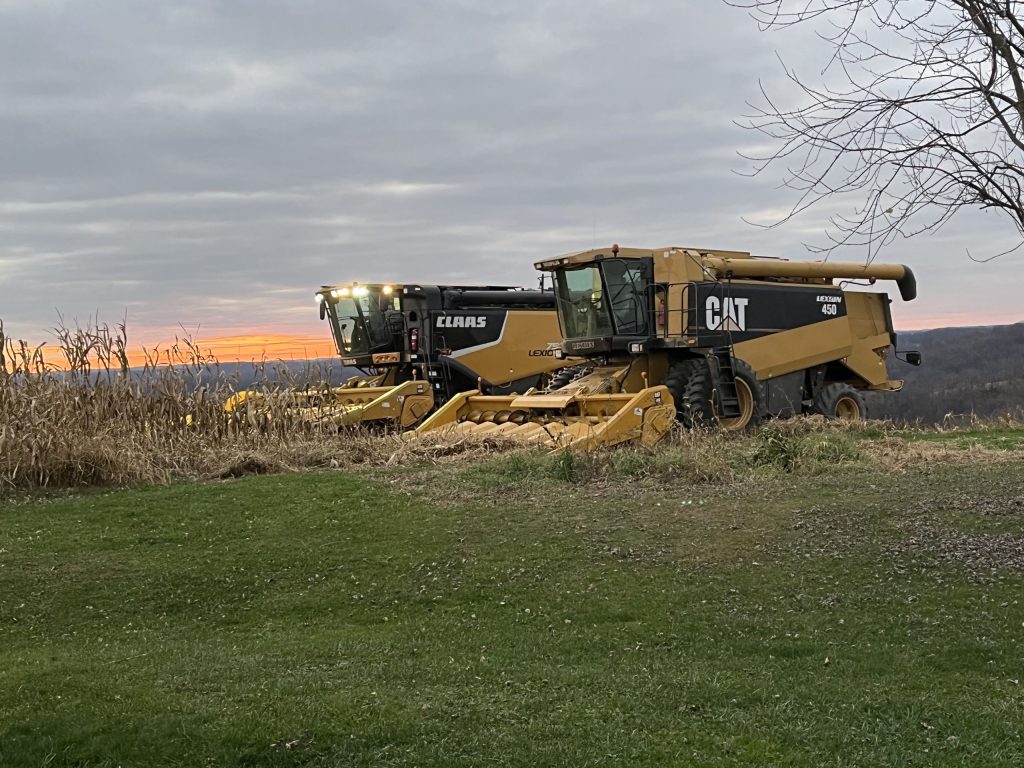
It’s approaching harvest time for corn, soybeans and other crops in Pennsylvania, and the skyrocketing cost of diesel – which reached $6.59 a gallon on Wednesday, according to AAA – is having an impact on nearly every industry across the commonwealth, including farming.
“Anything you touch, I don’t care if you’re a farmer or a non-farmer, has been impacted. Everything gets to you by diesel,” said Don Carter, a farmer and member of the Washington Count Farm Bureau. “Everything moves on diesel, or road or on rail. It’s on everyone’s mind right now.”
Surging diesel prices fueled by the U.S. war with Iran that is impacting shipping routes – on top of the rising cost of fertilizers and chemicals – are heavily squeezing farm profit margins and inflating operational costs with peak harvesting season around the corner.
The cost of diesel hit a record high of $6.60 in Pennsylvania last week, according to AAA, which is 605% higher than the price of about $3.98 a year ago.
Meanwhile, the average price for a gallon of unleaded gasoline in the state was $4.52 on Wednesday, an increase of about 38% from $3.27 at this time last year.
Some farmers have reported the cost of operating heavy equipment such as a combine has jumped from $70 to $80 an hour last year to about $180 to $200 this year.
“Diesel costs are 50% more than earlier this year, and it’s affecting all of us. This is a high usage time of year for us with harvest coming soon, and everything uses diesel, whether it’s a combine, a harvester, or a truck,” said Andrew Vore of Vore Family Farms in Washington County, noting he and other farmers are spending thousands more in diesel costs to operate. “So while diesel costs have increased, so have the costs for seed, fertilizer, equipment, and other things, and the price farmers receive for commodities has not increased commensurately. The (profit) margins have never been great, but now they’re even smaller.”
Local farmers said 2026 has been particularly tough, even without the sky-high diesel prices. Rising costs for fertilizer and chemicals, combined with a late-season deep freeze that damaged many stone fruit crops in the state and crop damage from deer, have added to the challenges.
The result: a crop that looked profitable when it was planted can become much less profitable by the time it is harvested.
Jim Lindley has a farm in Scenery Hill in Washington County, and grows corn, soy, oats and hay on 800 acres across 30 farm properties in the county. He said fuel is not an optional expense during the harvest season. If the crop is ready, the machines have to run.
“I’m trying to stick my head in the sand and not acknowledge what’s happening,” Lindley said jokingly. “We are not in full-fledged harvest yet so we haven’t hit the panic button yet, but we’re hoping costs go down or it’s going to get really bad. We have a trucking business, too, and we’re trying to be really careful. With the trucks, you go out and make $1,000 for a truck and you feel like you’re doing good, and then your fuel bill is $400 or $500 and it changes the dynamics.”
During harvest, the combines, trucks, and other equipment Lindley farms with – some of which use 150 gallons a day – “drink a lot of diesel, so it could get ugly.”
Higher costs at virtually every stage of agricultural production, from fueling equipment to fertilizing and harvesting crops, could put additional pressure on food prices, leading to higher supermarket prices as farmers and others in the supply chain try to cover their expenses.
“It’s a struggle that everybody has to work through. What else can you do? You’re at the mercy of a lot of things, like this thing in the Middle East, that are beyond your control,” said Carter.
Brian Hrutkay, manager at Hrutkay Farms in Bentleyville, estimated his fuel costs are already 30% over budget this season, and it will cost between $7,000 and $10,000 to complete the fall harvest.
“It’s basically costing us double right now what it normally would; $150 doesn’t even fill up my truck tank halfway,” said Hrutkay, who raises beef cattle and grows corn, soybeans, wheat and hay. “This is not sustainable.”
Hrutkay said this year’s crop yield – on the heels of at least two years of drought – was good, despite the spring frost, but production costs soared.
“We had pretty good yields, but it’s going to be offset by the much greater costs in harvest costs, for fuel and for trucks getting our products hauled out, and our freight costs are going up dramatically,” he said. “Just in general, everything we’re doing is costing more across the board. We’re trying to reduce the amount of trips we make across the field and implement our best management practices, but it’s not enough. We’ve all tightened our belts trying to make things more profitable, but when we have things pile up and add on, like the diesel costs, it makes it that much tougher.”