

A look at healthy living from the view of a hospital administrator
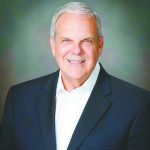
September 2027 will mark my 40th anniversary in healthcare administration and consulting.
For four decades, I’ve watched an upside-down system take a bigger bite out of our economy and our standard of living. And yet, if you’re in a car wreck, have a premature baby, or suffer a gunshot wound, our healthcare system can be magnificent. We’re exceptionally good at train wrecks. We need to spend more time looking at the tracks.
Last week, I invested six hours in workshops on how to create a healthier community. In one of those hallway conversations that happen after everybody has said the right things in the meeting, a participant told me, “This would be amazing, but unfortunately, we are in the sickness business, not the wellness business.”
As a former hospital CEO, I knew exactly what that meant. On the 15th and 30th of every month, I had to make payroll. Nearly 500 employees and their families depended on us bringing in enough money to keep the doors open. Keeping people healthy was good for the community. Putting heads in beds paid the bills.
We never figured out how to put “heart attack that was prevented” on an invoice.
Meanwhile, when you turn on the television, you’ll hear that happiness comes in a drive-thru bag, a 12-pack, or a snack engineered by scientists who’ve devoted their careers to making cheese dust stick to potato chips. Nobody has ever bought a commercial during a football game to tell me broccoli is on sale.
I spent a good part of my career looking for affordable ways to keep people healthier. Some people hear “integrative medicine” and immediately yell “woo-woo.” I was talking about exercise, eating more plants, managing stress, getting enough sleep, and spending time with other human beings you like. Somehow, hanging out with a friend became a healthcare intervention. Mom would have called it having company.
Treatments like acupuncture deserve to be judged on the evidence for the problem they’re meant to treat. When somebody says, “That’s just the placebo effect,” I still want to ask, “Did the patient feel better?” A researcher might need to know why, but at 3 in the morning, the person who can get some sleep couldn’t care less.
At our hospital, we tried to give patients more say in their care. Hospitals are scary places. Between the alarms and all that equipment, you can feel like you wandered into a SPACE X control room. Sometimes what mattered most was somebody being nice, looking you in the eye, and explaining what was happening.
In 2017, I was speaking to a room full of cardiologists in New Jersey about diet, exercise, stress management, and social support when a hand went up. “Can we really afford to make these people healthier?” a physician asked. The room went quiet.
Later, he told me he had $450,000 in student loans, a mortgage, three kids headed toward college, and two car payments. I’ve thought about him many times. He was saying the quiet part out loud. It was what those of us who had to make payroll already understood. We’d built a system that made it easier to pay the bills when people got sick.
What if we shifted a larger share of what we spend treating sickness and rewarded local hospitals and clinicians for keeping people well? We could also simplify how we pay for care and remove the layers of intermediaries who take a cut. More of that money would be directed toward wellness and prevention.
For 40 years, I’ve heard the cynics say that prevention sounds great, but somebody has to pay for it. We’re already paying. The bills come after the diabetes diagnosis, the heart attack, the stroke, and the hospital stay we might have avoided.
When a hospital CEO can make payroll because fewer people need a hospital bed, we’ll know somebody finally got paid to look at the tracks.
Nick Jacobs lives in Windber.