

Merida, Mexico
The most marvelous city you don\'t know
When you mention Mexico, images of mariachi bands and platters of delicious tacos and guacamole might come to mind along with thoughts of huge all-inclusive resorts dotting the coast.
What you may not imagine is a large but fairly quiet and very charming city filled with sprawling colonial architecture, the safest environment in North America and a friendly population all located less than an hour from quiet beaches and ancient Mayan ruins.
Welcome to Merida, Mexico, which may be the most marvelous city you don’t know but should.
Heart of Yucatan
Merida serves as the capital of Mexico’s Yucatan state and sits near the northern tip of the country’s Yucatan Peninsula. Far from the nightlife and crowds of Cancun and Playa del Carmen which sit about four hours to the east, Merida is renowned for its laid-back, peaceful vibe and safe streets.
Yucatan is the home of the Mayan civilization, which thrived from 1800 BC to 16th century AD across Mexico, Belize, Guatemala, El Salvador and Honduras. Present-day Merida sits on the site of what was the Mayan city of T’Ho between the 10th and 12th centuries. It was eventually deserted and Spanish conquistadors moved in during the mid-1500s when Spain sent Francisco de Montejo to conquer the Yucatan.
The huge colonial mansions and government buildings that followed still stand today with many of the grand houses still lining Paseo de Montejo – the city’s main avenue named after the conquistador.
Why visit Merida?
Most people I know have never heard of Merida, so when I told them we were going to spend several months in the Yucatan, their first question was always, “Where is that?”
Merida is a great alternative to the busy Riviera Maya area to the east for anyone wanting a change of pace from the “all-inclusive” resort enviroment and seeking some real Mexican culture and a more relaxed experience.
Merida serves as a terrific starting point for exploring the entire Yucatan Peninsula including the states of Yucatan, Campeche to the west and Quintana Roo (including Cancun and Playa del Carmen) to the east. You can easily spend a week here or use it as a home base to explore nearby Mayan ruins, beach villages to the north and mangroves and wetlands hosting pink flamingos to the west.
Getting there
Getting there may be the biggest decision you have to make when visiting Merida.
From Pittsburgh, American Airlines, United and Delta all fly to Merida via connections usually in Miami or Dallas. Those flights are faster and easier but more expensive than the alternative of flying into Cancun.
If you do fly into Cancun, you can catch the ADO bus to Merida costing between $30 to $60 one way but taking nearly four hours. Hotels, Airbnbs and other vacation rentals are abundant all around Merida with some of the most desirable locations being near city center (Centro).
Merida is very walkable but also has an efficient transportation system with affordable Va y Ven (“come and go” in English) buses and “combi” ride-share vans available to take you all over the city.
Things to do
You can cover the highlights of Merida in one or two days or spend weeks discovering this city’s various neighborhoods. With a population of nearly one million, Merida is a big city that feels very cozy at times.
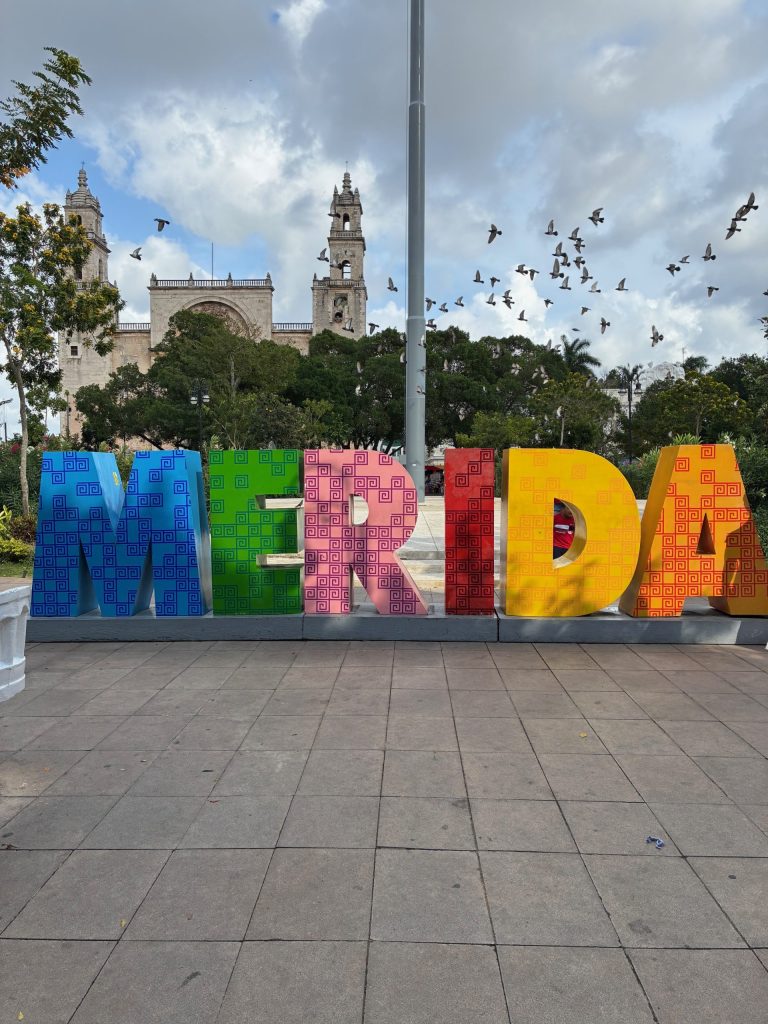
Start in the Plaza Grande in Centro, which is the center square of the city. Take a seat in the “me and you” chairs facing each other under shady trees to people watch before looking inside Merida Cathedral on the east side of the square. This colonial-era cathedral was built in the late 16th century with white limestone relics from nearby Mayan ruins. It is the oldest cathedral in the mainland Americas.
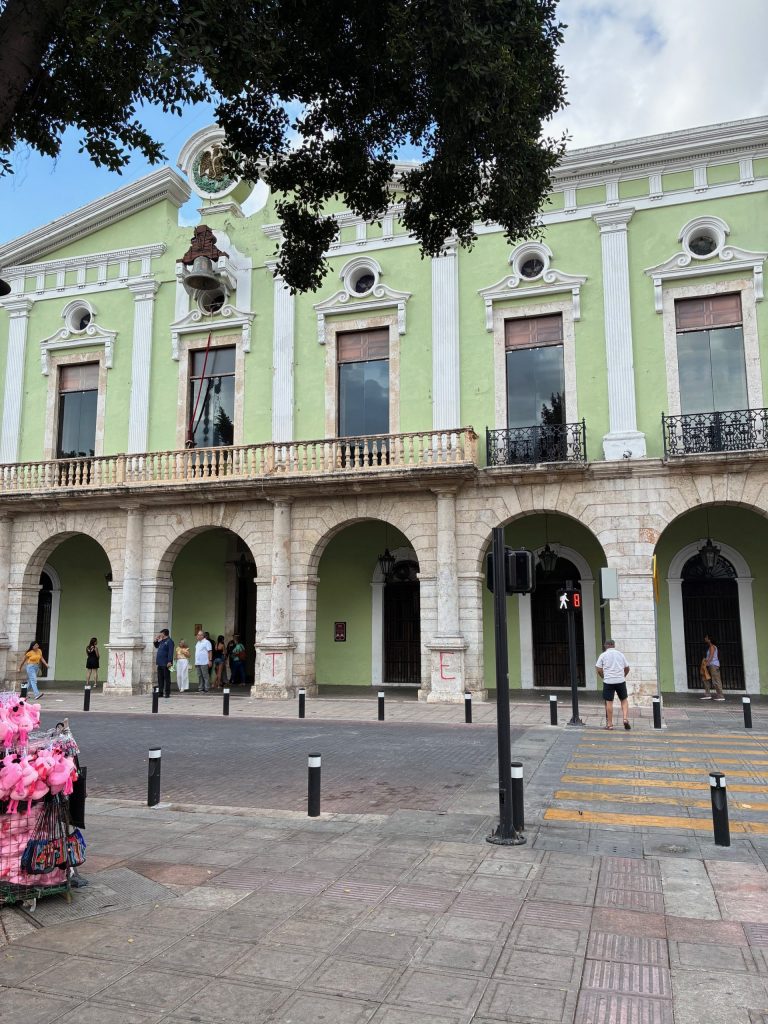
The northern side of the square hosts the Palacio de Gobierno (Government Palace) which houses interesting and moving paintings depicting the struggle of the Mayan people against the Spanish conquistadors.
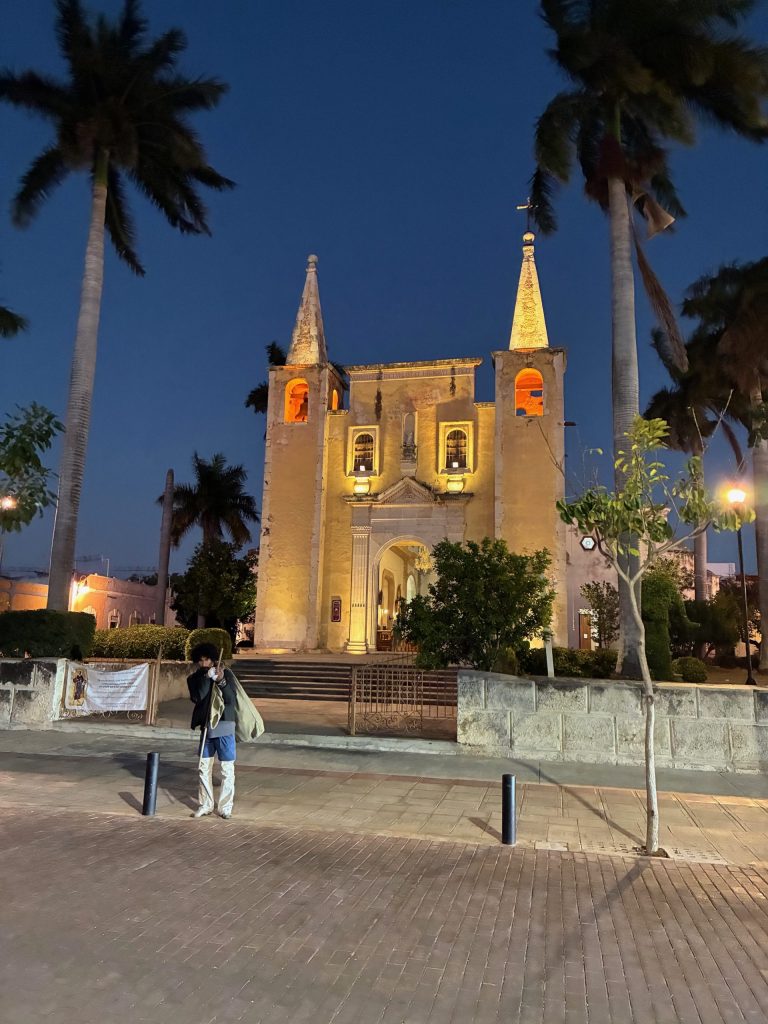
The Palacio Municipal (City Hall) sits on the square’s west side with Casa de Montejo (yes, Francisco de Montejo’s family house) on the southern side. From the main square, walk north along Calle 60 and you’ll stroll through the Santa Lucia neighborhood with a lovely park, another beautiful church and all sorts of interesting shops, restaurants and bars.
A little farther north and two blocks east, the Paseo Montejo begins, which is the main avenue of Merida and is lined with massive colonial-era mansions – some still serving as family homes while others have become museums, restaurants and businesses.
Dining options
Merida’s food scene is impressive, with Mayan cuisine taking the spotlight. We enjoyed delicious botanas (snacks) at La Paraquilla on Calle 60. Try panuchos (fried corn tortillas stuffed with refried black beans and topped with shredded chicken or turkey, pickled red onions, lettuce, tomato, and avocado) and chicharrón de ribeye (flash fried cubes of steak atop creamy guacomole). For traditional Mayan cuisine, head to Chaya Maya on Calle 62 for succulent pok chuc (thinly sliced pork marinated in sour orange juice, garlic and spices, then grilled until charred) and cochinita pibil (slow-roasted pork marinated in achiote paste, sour orange juice and spices then wrapped in banana leaves and traditionally cooked in an underground oven).
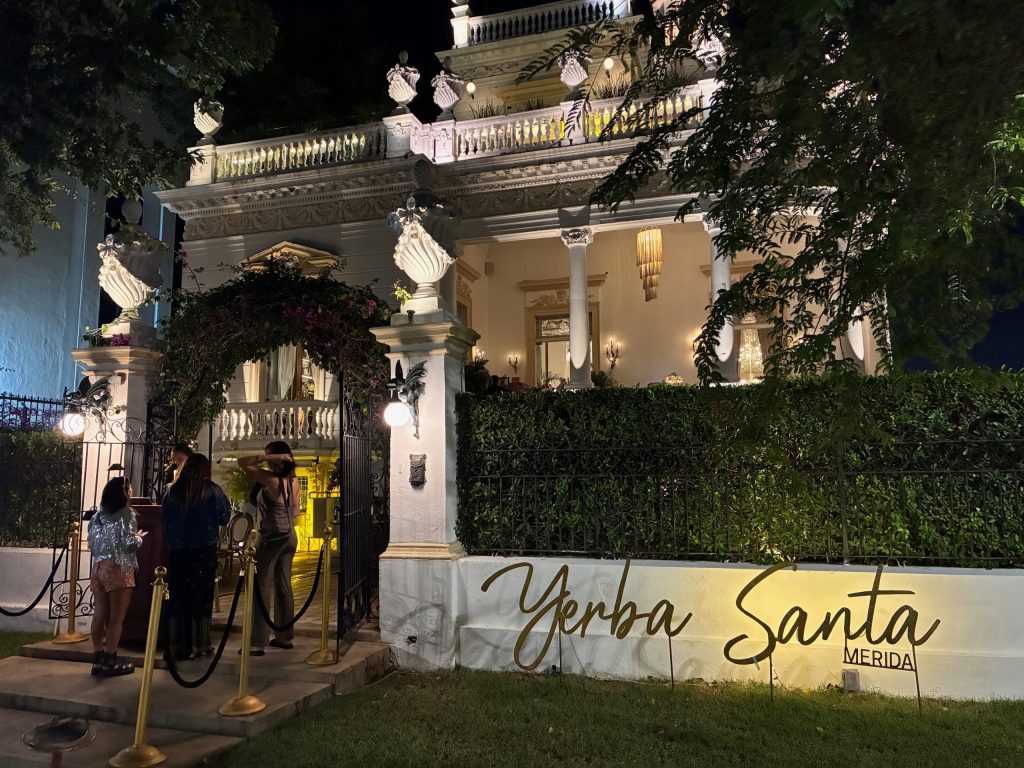
For a more upscale environment, treat yourself to dinner at Yerba Santa housed in a gorgeous colonial-era mansion on Paseo de Montejo and serving innovative, delicious fare. Our desserts here called “Maiz” featured cornbread with tortilla ice cream and “Cacao 70” with chocolate and Chiapas cheese ice cream.
For an amazing rooftop view of Centro, head to Picheta right on the Plaza Grande and ask if the rooftop terrace is open for cocktails or dinner.
Nearby day trips
Once you’re done exploring the city, take some time to explore some of the nearby Mayan ruins sites.
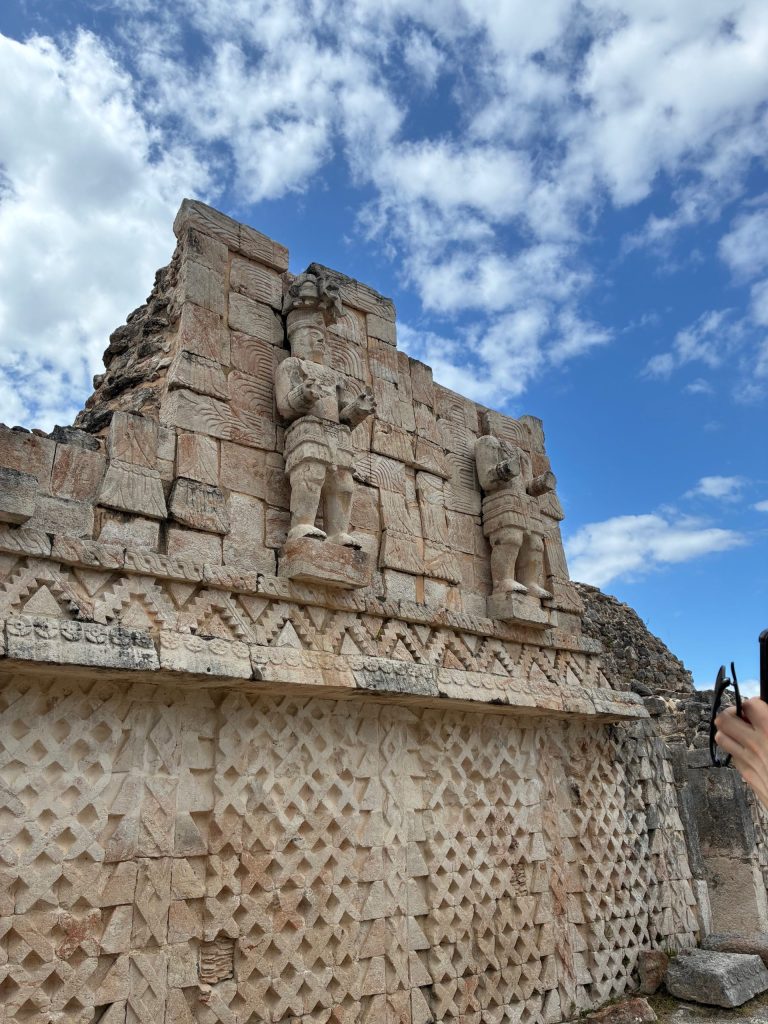
Chitzen Itza is the most famous, but is nearly two hours east. Uxmal is only about 30 miles south and not nearly as crowded most days. Uxmal is considered one of the most important archaeological sites in Maya culture. Here, you’ll find enormous limestone structures featuring carvings of feathered serpents, entwined snakes and masks of the Mayan rain god Chaac.
Many of the organized excursions you’ll find to Uxmal also include a visit to nearby Kabah (the Mayan lord of the strong/powerful hand) which is the second largest Mayan ruin site in the region behind Uxmal.
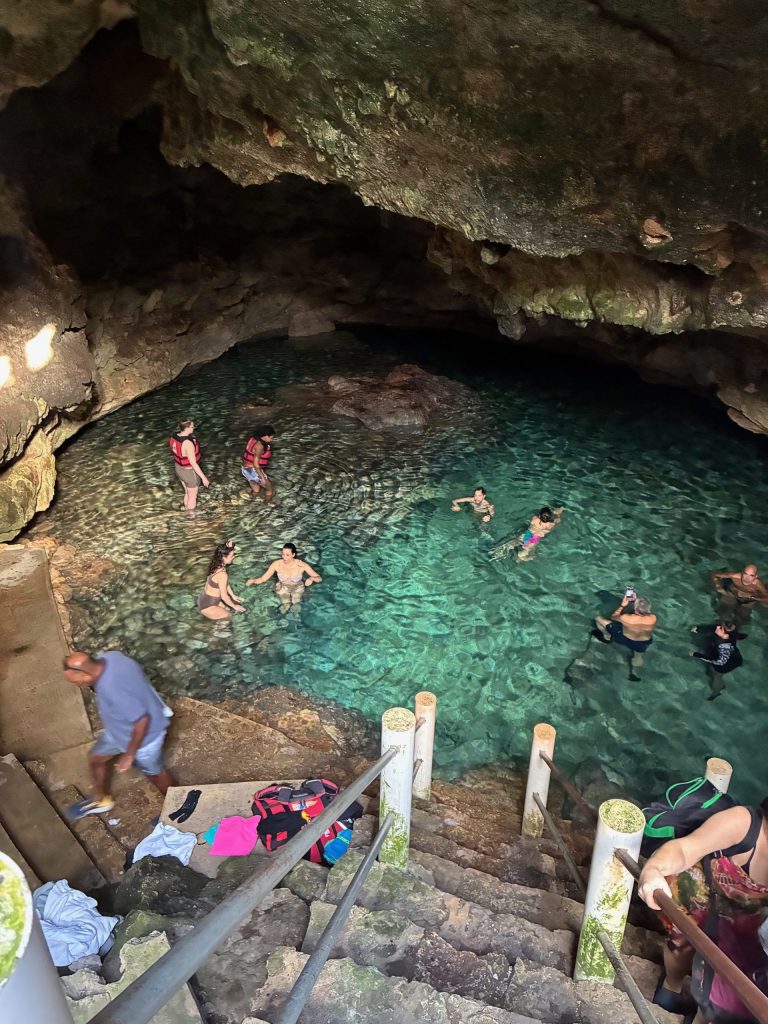
Our excursion also included a traditional Mayan lunch at a local restaurant followed by a refreshing dip in nearby Cenote Pibil. Cenotes are natural, clear, freshwater sinkholes from collapsing limestone found across the Yucatan Peninsula and there are nearly 10,000 of them here. They served as sacred spots in Mayan culture and are now popular places to swim and dive. For more cenote fun, head a bit farther east to Cenote Santa Barbara, which offers four separate cenotes for one entry fee. Each cenote is a different shape and depth with some having wooden platforms or stairs leading down to the crystal-clear, cool water.
It’s a great way to cool off during the Yucatan’s hot afternoons and take in the amazing rock formations after an afternoon exploring the ruins or this marvelous city.