

Washington Italian Festival to honor Italian American veterans
Washington Italian Festival to honor Italian American veterans
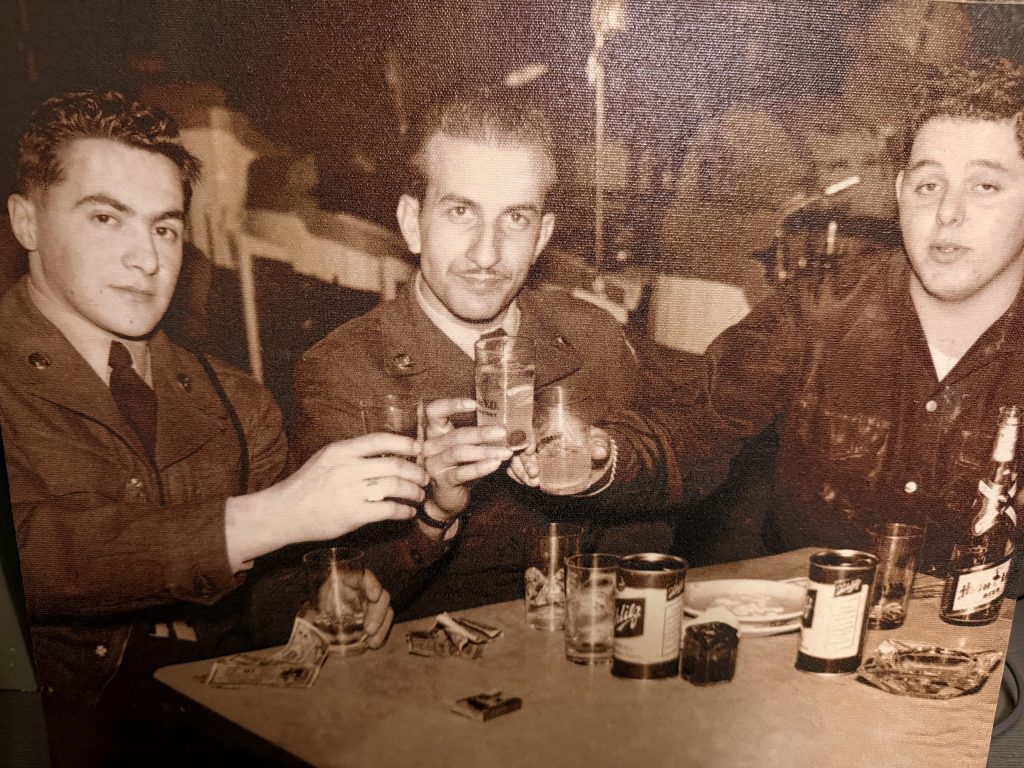
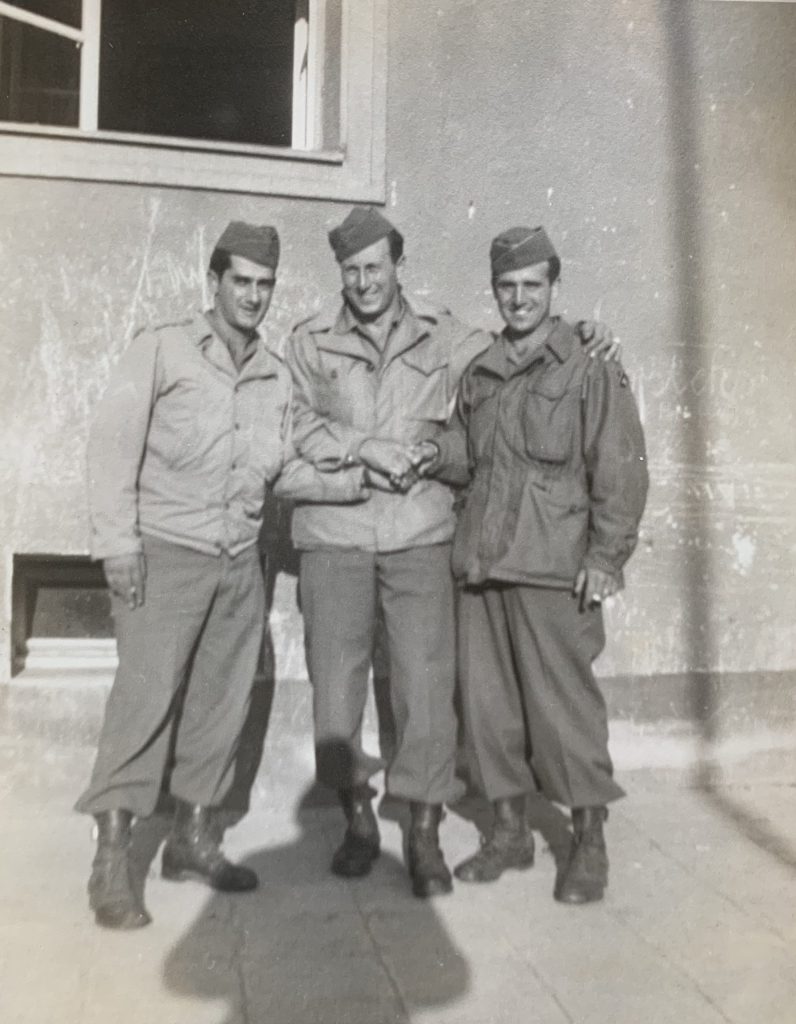
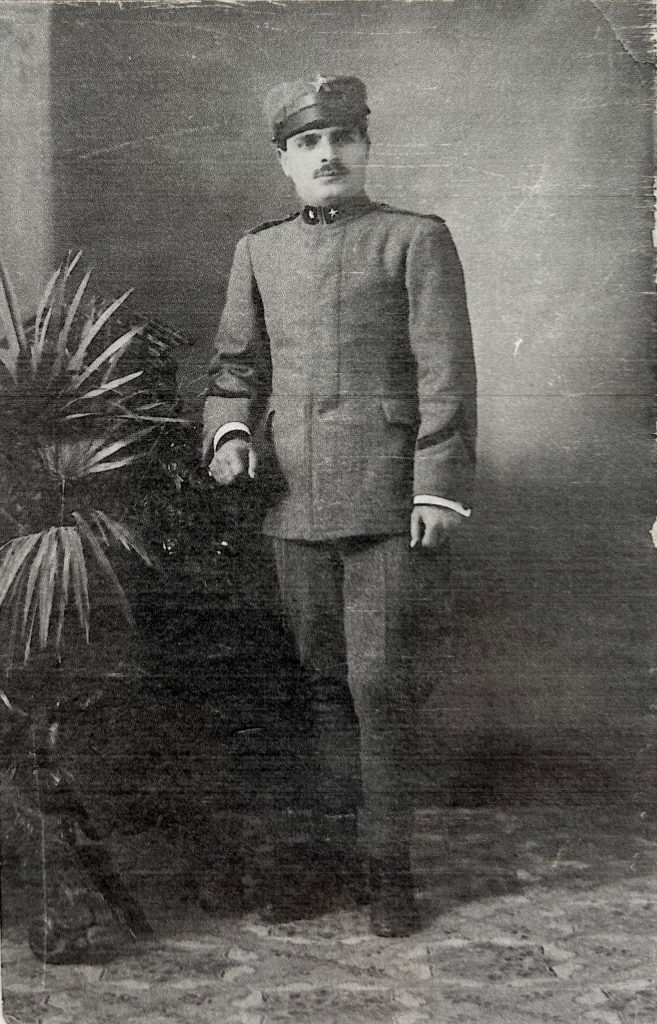
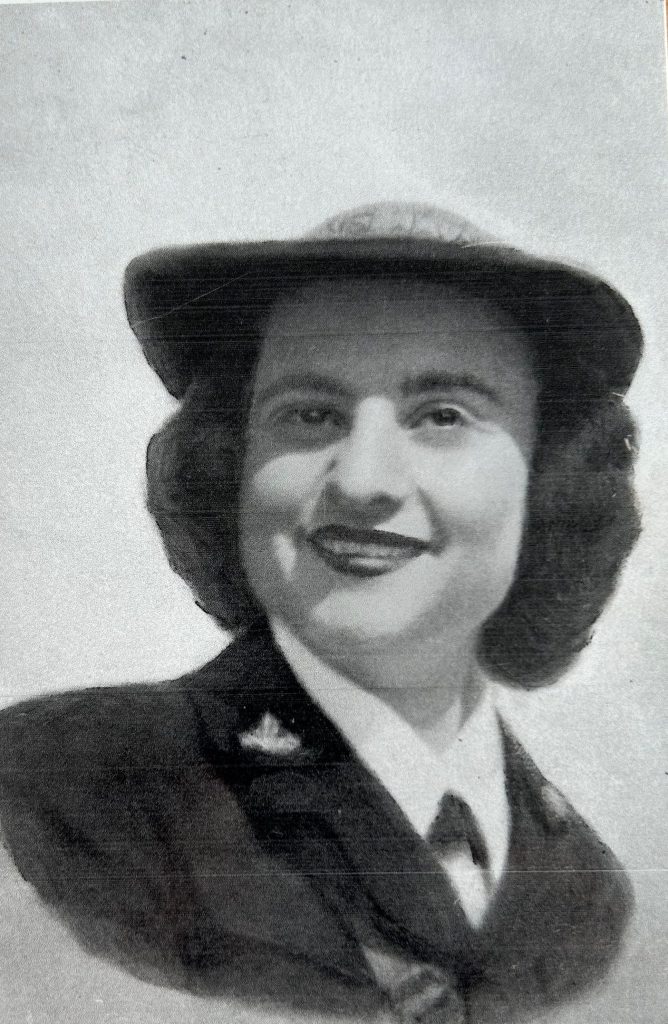
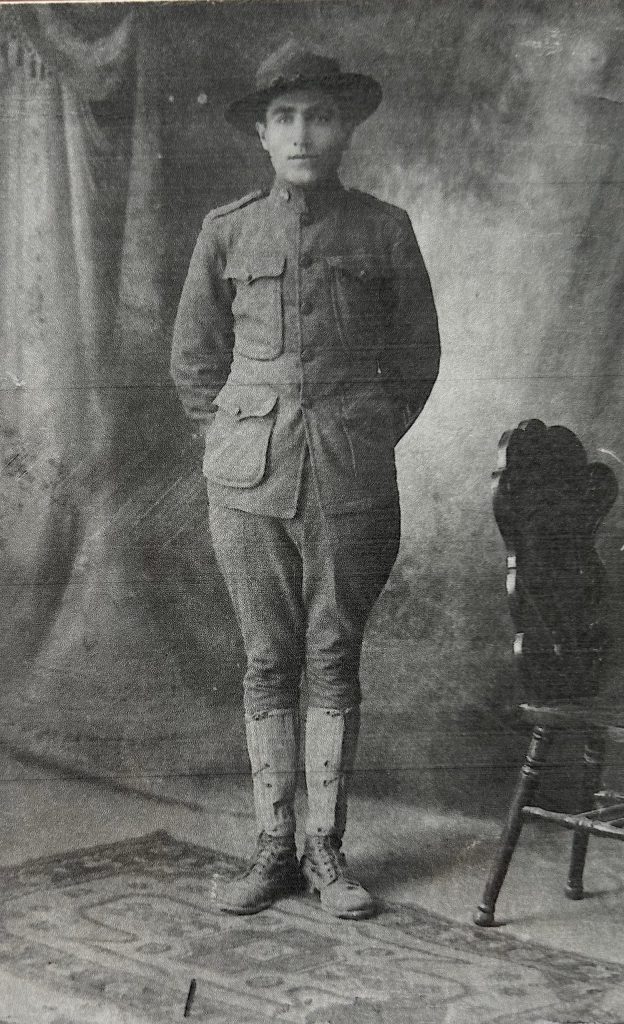
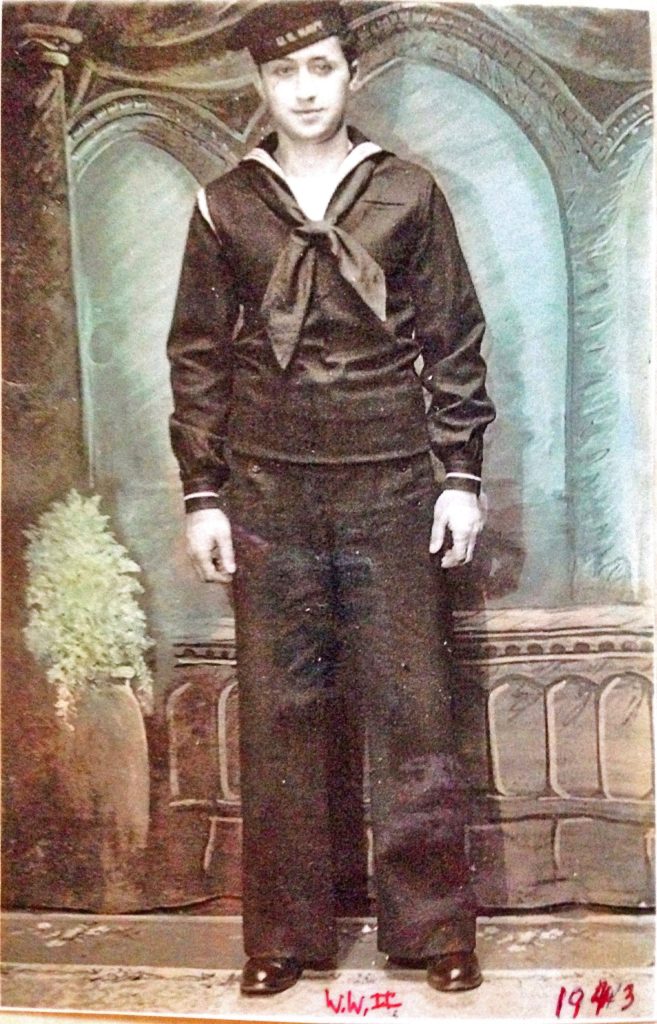
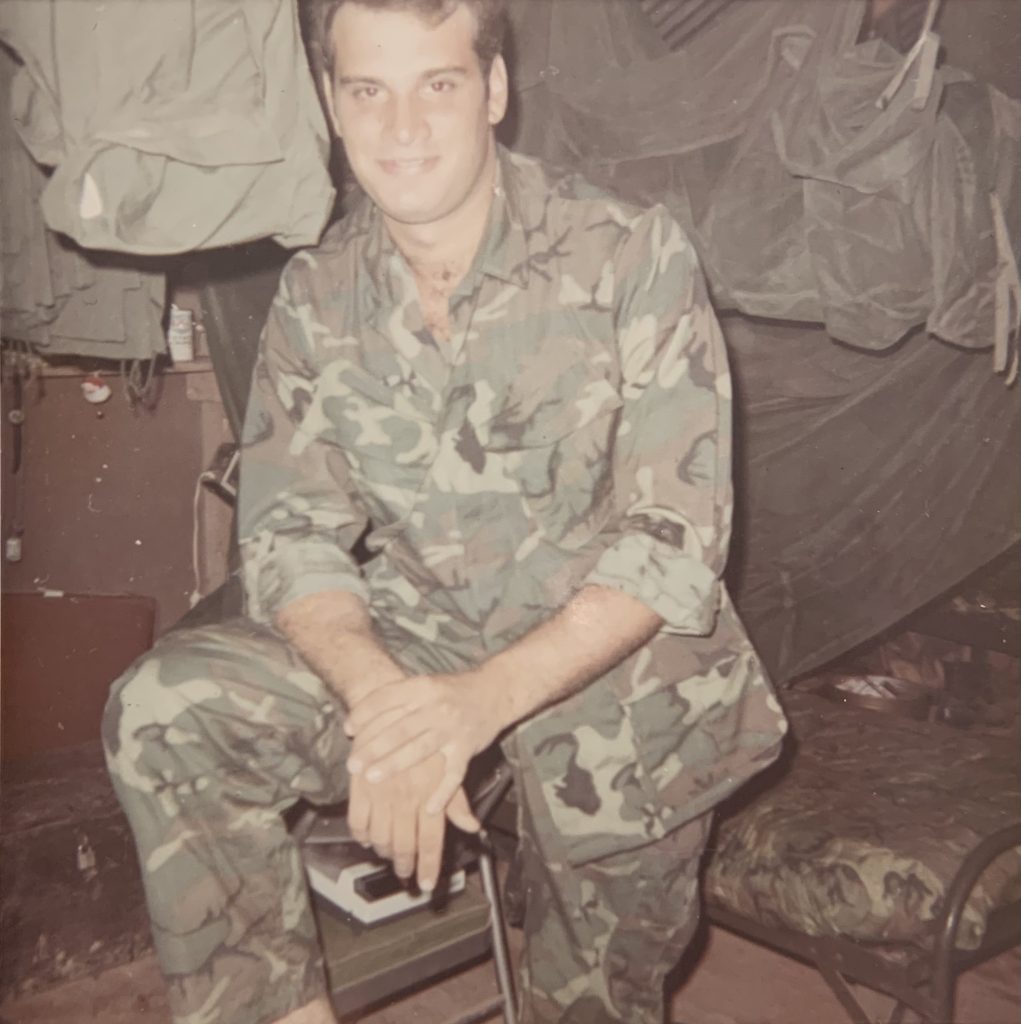
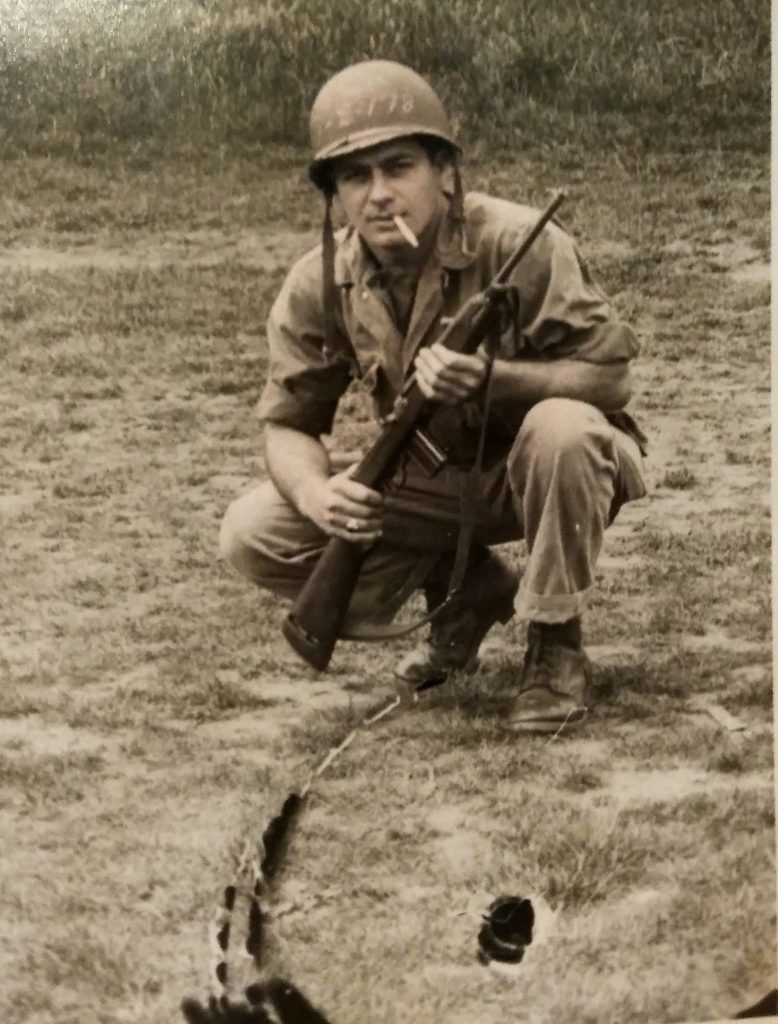
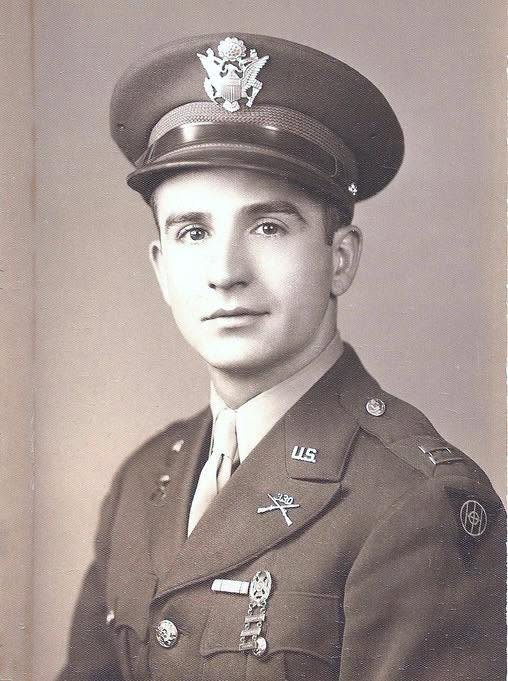
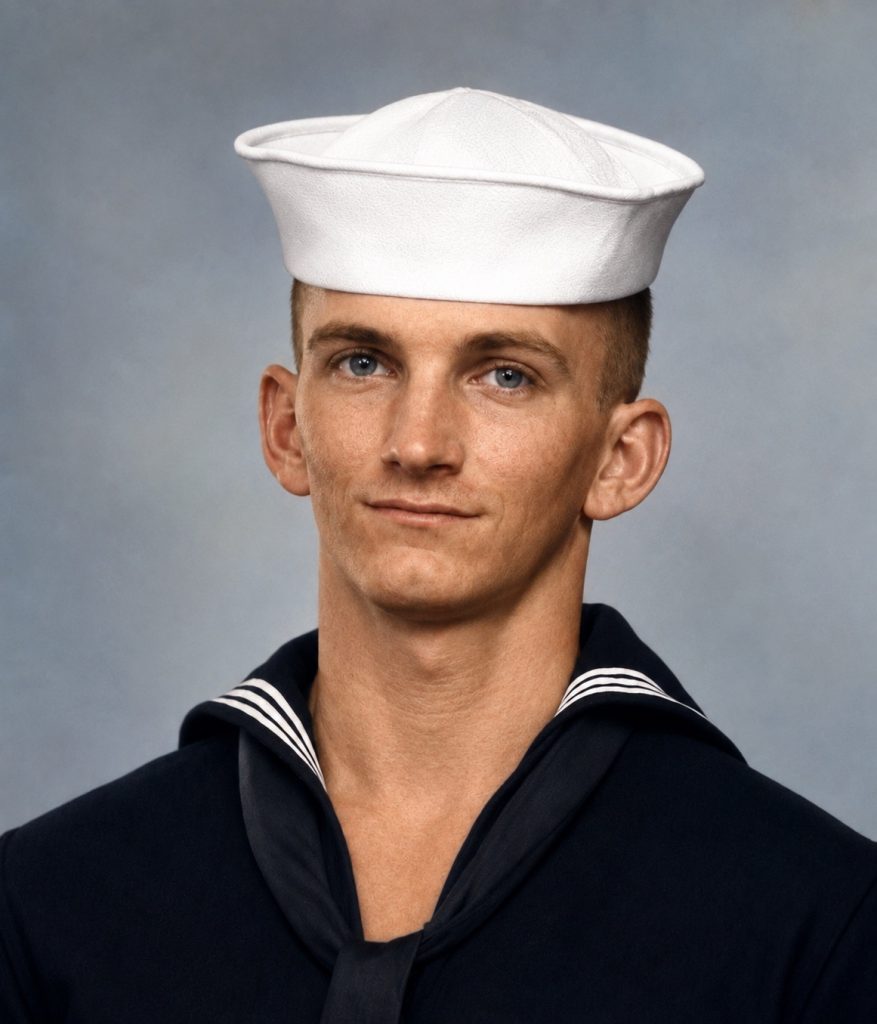
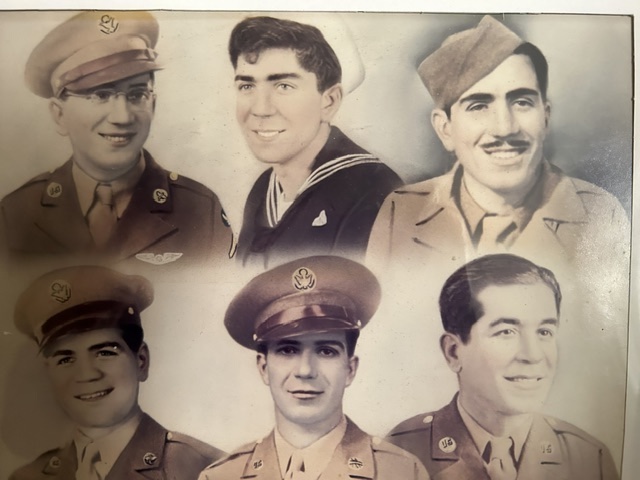
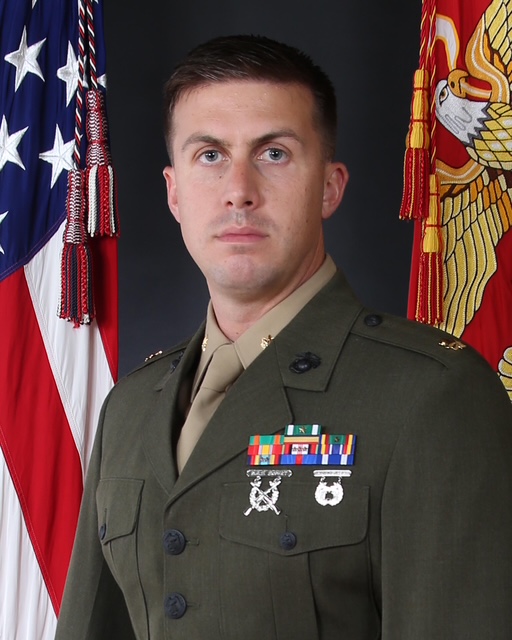
Italian Americans are known for their patriotism to our nation. From the immigrants who fought in World War I to the members of the armed forces today, Italian Americans proudly serve.
Each year, the Washington Italian Festival honors a sector of the Italian American community. This year’s festival honors Italian American veterans and active service members. This recognition is especially meaningful as America celebrates its 250th anniversary this year.
World War I
World War I (1914-18) was fought in Europe between the Allied Powers (led by Great Britain, France, Russia, and the United States) and the Central Powers (led by Germany, Austria-Hungary, and the Ottoman Empire).
American military casualties numbered about 116,000. Approximately 3,000 were Italian immigrants, according to The Doughboy Foundation, which maintains a database of Italian immigrants who lost their lives in World War I.
When the U.S. joined the war in 1917, Italian immigration to the U.S. was in full swing, a wave that began around the turn of the century and would reach 4 million by the mid-1920s. These immigrants – mostly from southern Italy – had left impoverished conditions to start new lives.
With its entry into the war, the U.S. needed Italian immigrant men to enlist, although many had not yet become American citizens. Serving in the U.S. military came with the promise of citizenship.
Tens of thousands of Italian-born men registered and served in the American Expeditionary Forces, which the Doughboy Foundation describes as “an army of barbers, porters, shoemakers, tailors, masons, bakers and general laborers.”
Concurrent with the American effort to recruit immigrants to its forces, Italy (which entered the war on the Allies side in 1915) asked its military-age emigrants abroad to return home to serve. About 80,000 men left the U.S. to join the Italian armed forces, which were fighting on the same side as the Americans.
Locally, several immigrant men faced the dilemma of answering Italy’s call to serve or enlisting in the American army. This situation became a reality for brothers Annibale and Theodore Trapuzzano, who had emigrated from Gizzeria, Calabria, around 1906 and operated a tailor shop on North Main Street in Washington.
Theodore enlisted in the U.S. Army in 1917 and served in France, his nephew Amon Trapuzzano recounted in an oral history recorded for the Washington Italian Heritage Collection. As Theodore headed to Europe, his brother Annibale was already serving in the Italian army, having been drafted by the Italian government during a 1913 visit to Italy. Once the war was over, both brothers continued their lives in Washington.
Considered the most horrific war up to its time, World War I is known for its trench warfare in long, muddy ditches and the mechanization of war through machine guns, poison gas, explosive artillery projectiles, tanks, and airplanes.
In another oral history recorded by the Washington Italian Heritage Collection, Sam Oliverio shared that his immigrant father Pietro Oliverio, an American soldier, returned from the German front with a debilitating respiratory condition caused by poison gas. He was physically unable to work from then on.
“It was total disability,” Sam Oliverio said. “He was never the same.”
Pietro Oliverio was one of about 200,000 American soldiers who returned home from World War I with physical or mental disabilities. Robert S. Marx, a disabled World War I veteran and founder of Disabled American Veterans of the World War, is quoted in a Library of Congress article as saying that a soldier “could not go through that conflict and come back and take his place as a normal human being.”
World War II
An estimated 1.2 million to 1.5 million Italian Americans – many of them representing the first generation of their families to be born in the U.S. – served in the armed forces during World War II, comprising about 10% of the military.
World War II was a war of unprecedented scale, with 30 to 70 countries aligning with the Allies or Axis sides. Sixty million to 70 million soldiers and civilians died in the war, including those who perished in concentration camps. The American military lost 405,000 lives.
The U.S. joined the Allies in December 1941, shortly after the Japanese bombed the Pearl Harbor naval base in Hawaii. The war ended with an Allied victory in 1945. Unlike World War I, the Italian army, led by Benito Mussolini, was America’s enemy in this war.
To build its forces, the U.S. held six major draft registrations. Downtown Washington regularly hosted send-off parades for enlistees leaving for service. These celebratory events featured high school bands and patriotic speeches.
An estimated 40,000 Italian Americans died in the war. Among the local casualties was Louis Ruscello, who died in 1944 at age 31, leaving behind a wife and 10-year-old son. Other local soldiers who lost their lives in World War II include Samuel DiStefano (1945), John LaBella (1944), Anthony Mazza (1945), and Frank Spatafore (1943).
Ruscello, who emigrated from Italy in 1912 as an infant, was the oldest child of Vincenzo and Amelia Fragasso Ruscello. When news arrived of Louis’ death in France, “the family went to pieces,” recalled his niece, Phyllis Ruscello Zavatski, in an oral history. She was 9 years old at the time.
Louis’ younger brothers Ralph and Ernest Ruscello also served in the war at a time when it was common for several brothers from the same family to be deployed. Ralph remained in the service for 33 years, retiring as brigadier general in the Army National Guard. During Washington’s Italian festivals of the 1980s, Ralph was known for ensuring that its annual parade ran with military-like precision.
World War II veteran John Oliverio (son of disabled veteran Pietro Oliverio) talked frequently about his experience as an Army air operations specialist and wrote a book about his experiences, said his daughter, Beth Meeks. He was often close to the action, including the rescue of 1000 German-held POWS, one of whom was another Italian American serviceman from Washington, Lou Falvo.
The late Joe Mancuso, a Navy veteran, also worked diligently to ensure that “The Greatest Generation” is not forgotten. He recorded two oral histories about his experience in the Battle of Normandy.
Local Italian American women also joined the service, including Carmella Trapuzzano Davis, daughter of Annibale Trapuzzano, who was drafted by Italy in World War I. Carmella was a WAVE in the Navy Reserves. Other local women supported the war effort by working in factories, including Canonsburg’s Belle Congelio Angelone, who became a “Rosie the Riveter” while her husband, Guerino, served in the Army Air Corps. All six of Belle’s brothers served in World War II.
The patriotism of Italian Americans at that time was profound, said Bob Johns, whose father and grandfather served, along with several uncles. “They were grateful for the opportunity to be in the U.S. They found connection in the military.”
Korean War
Local Italian Americans served in the armed forces in the Korean War (1950-53), a conflict between North Korea (backed by China and the Soviet Union) and South Korea (backed by United Nations forces led by the United States). The war ended in a ceasefire but no peace treaty.
According to a 2000 Gannett News Service article by John Olmicinski marking the 50th anniversary of war, the Korean War is “the least remembered war of the 20th century,” overshadowed in public memory by World War II and the Vietnam War.
More than 33,000 American and 10,000 UN troops died. It was a brutal war, wrote Olmcinski, “etched” into soldiers’ memories.
The late Peter Manfredi of Washington served 18 months in Korea with the U.S. Army. Manfredi wasn’t one to talk about his war experiences, said his daughter, Jennifer Manfredi Foster. “At the VA hospital, he would talk to other people about it, but [with the family] it was something he kept to himself.”
Likewise, the late Carmen Perry Sr., who also served in Korea, did not talk about his war experiences, said his son, Carmen Perry Jr. Like several Italian American families, the Perrys’ military service spans four generations – from Antonio who served in World War I to Carmen Jr., who served in the Marines in the 1980s.
Vietnam War
The Vietnam War (1955-75) was fought between communist North Vietnam (backed by the Soviet Union and China) and South Vietnam (backed by the United States). It ended with the withdrawal of U.S. forces in 1973 and Vietnam’s unification under communist rule. More than 58,000 American soldiers died.
Joe Trifaro, 80, of Washington, the grandson of Italian immigrants, joined the Army Reserves in 1966 and was deployed to Vietnam for 11 months. His unit of about 100 troops delivered supplies to troops and periodically delivered 12- to- 15-foot gun barrels to the Demilitarized Zone (DMZ). Asked about the patriotism of Italian Americans, Trifaro said, “Italian Americans did their duty, whether in the service or not.”
Attorney Eugene Julian, 83, was stationed with the Army in Korea during the Vietnam War, processing discharges and representing soldiers with summary offenses as a lawyer.
Washington native Ken Maglietta, 86, served stateside with the Navy from 1962 through 1969. He was assigned to several several ships and bases, and applied his technical skills to help build the Navy’s first computer system.
Mideast wars
Major Kevin Zaffino, 41, joined the Marines in 2007 and has served for 19 years. He completed two tours of duty in Afghanistan and one in western Africa.
Zaffino, a Washington resident who grew up in Erie, is a leader in several veteran groups, including the Marine Corps League, and is a Marine representative on the Washington County Veterans Advisory Council. Much of his volunteerism is focused on the needs of veterans when they re-enter civilian life.
Both of Zaffino’s Italian American grandfathers served in World War II and “drove him to serve,” he said. Like many of their generation, they felt a strong patriotism, but did not say much about the harder parts of their experiences. That changed when Kevin became a Marine and they began to open up to him.
“They talked to me about things they hadn’t shared with other people. They had a desire to look back on the time they served. [They had good experiences] “but saw terrible times too.”
“Italian Americans were proud to serve,” said Lou Mazza, 75, a Navy veteran and one of four generations of his family to serve in the military, including his father, Baptiste, and uncle, Anthony, who lost his life in World War II. Lou’s son, Dominick, completed two tours in Iraq, and Dominick’s son (also named Anthony) is currently in the Army Reserves.
“I couldn’t be prouder of my son’s service and my grandson who is walking in his dad’s footsteps.”
The ceremony honoring these and other Italian American veterans and active-duty service members is scheduled for 1:30 pm on the festival stage. Washington County Commissioner Larry Maggi, a Marine veteran, will emcee. For information about participating in the ceremony, email tina.calabro@verizon.net.
Tina Calabro is the voluntary project manager of the Italian Heritage Collection at Washington County Historical Society.